Twentekanaal Closure Hits Over 50 Dutch Businesses
The Twentekanaal closure due to drought affects over 50 businesses relying on shipping, forcing them to find new transport solutions.

Drought-induced closure forces companies to seek alternative transport for logistics.
The sudden closure of the Twentekanaal, a crucial industrial waterway in the Netherlands, has left over 50 businesses scrambling for alternative transport solutions. The canal, which runs through the eastern part of the country, has been shut down due to severe drought and critically low water levels. This highlights the significant impact of environmental changes on Dutch logistics.
Impact on Local Businesses
Companies located along the Twentekanaal heavily depend on the waterway for the transportation of goods. The closure has forced them to reconsider their logistics strategies. Many businesses are now turning to road transport, despite the increased costs and logistical challenges it presents. A spokesperson for ForFarmers, a major feed company based in Lochem, confirmed that they have already started using trucks to ensure the continuity of their supply chain.
“This rare closure has compelled us to quickly adapt our logistics,” the spokesperson said. “We are working closely with our partners to mitigate the impact and ensure that our products reach their destinations on time.”
Environmental Challenges and Logistics
This incident shows the growing influence of environmental factors on industrial operations. As climate change continues to alter weather patterns, businesses across the Netherlands are increasingly vulnerable to such disruptions. The drought affecting the Twentekanaal is part of a broader trend of extreme weather conditions that have been impacting Europe in recent years.
According to Rijkswaterstaat, the agency responsible for Dutch waterways, the situation is being closely monitored. Efforts are underway to manage water levels and explore long-term solutions to prevent future disruptions. However, businesses are urged to develop contingency plans to address similar challenges in the future.
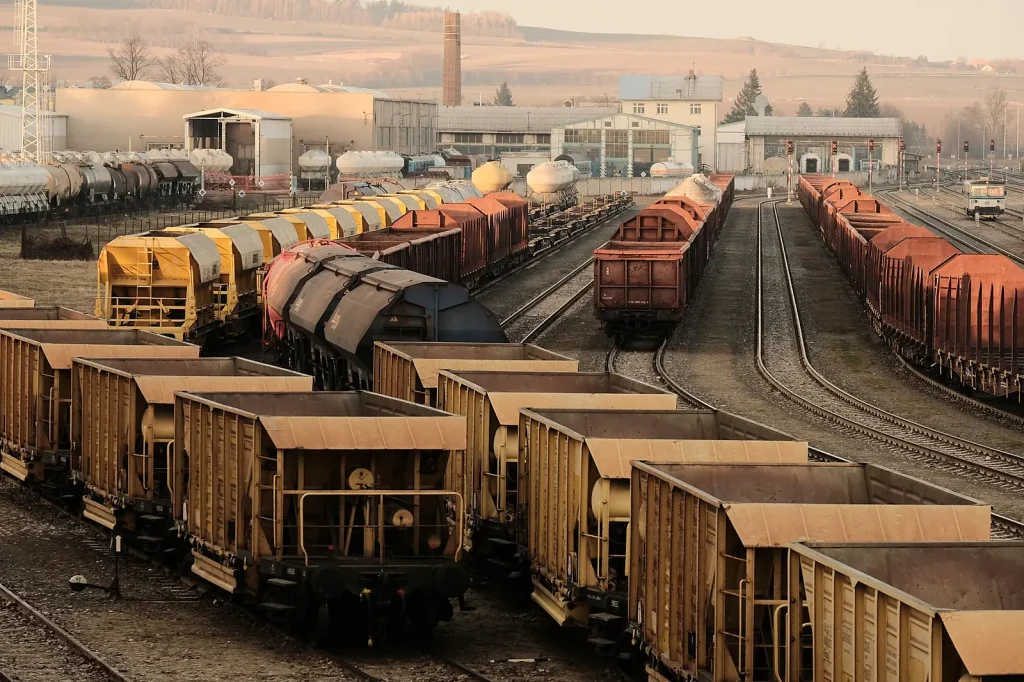
In addition to trucking, some companies are exploring rail transport as an alternative. However, capacity and scheduling issues present hurdles. The need for flexibility and resilience in logistics has never been more apparent.
Background
The Twentekanaal, which connects the IJssel River to the Twente region, is central to the local economy. It facilitates the movement of raw materials and finished goods for industries ranging from agriculture to manufacturing. The canal’s closure is not just a logistical issue but also a reminder of the broader economic impact of environmental changes.
The drought conditions leading to the closure are part of a pattern seen across Europe. The Netherlands, known for its water management expertise, is facing increasing challenges as climate change intensifies.
What Happens Next?
As businesses adapt to the current situation, the focus is on maintaining supply chain integrity. Companies are assessing their logistics networks and considering investments in infrastructure that can withstand environmental disruptions. Meanwhile, Rijkswaterstaat continues to work on water management strategies to prevent future incidents.
The situation also prompts a broader discussion on the need for sustainable practices and infrastructure investments. As the Netherlands handle these challenges, the resilience of its businesses and infrastructure will be crucial in maintaining economic stability.
For more information on water management and environmental policies, visit Rijkswaterstaat and CBS.