Coldenhove paper mill collapse puts 110 jobs at risk
The Coldenhove paper mill in Eerbeek has been declared bankrupt after 365 years of operation, putting 110 jobs at risk amid rising energy costs and import tariffs.

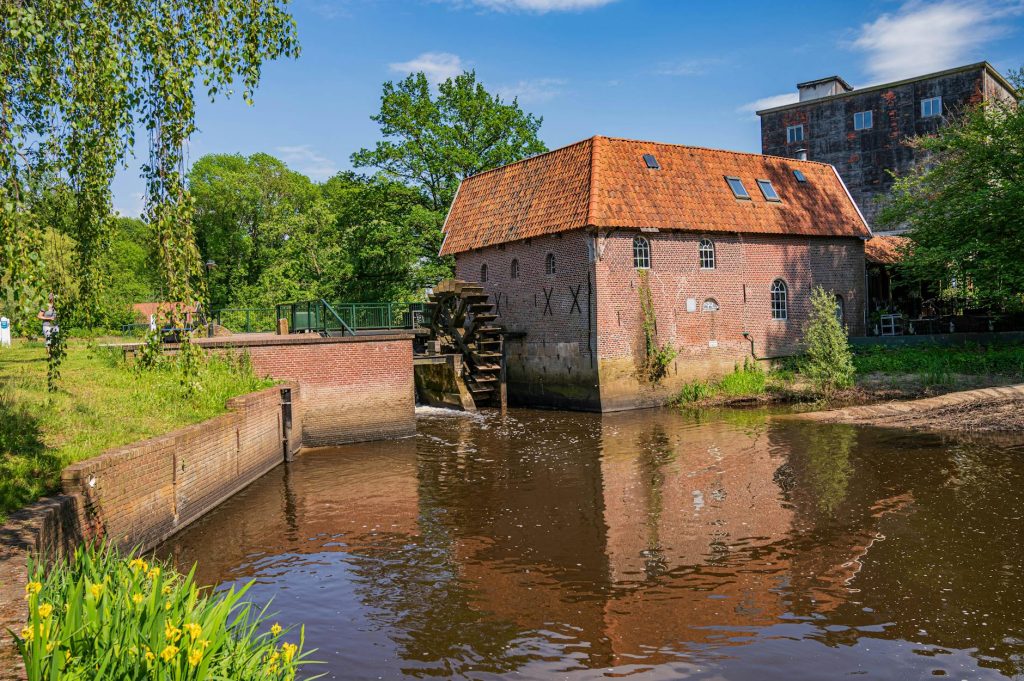
Eerbeek’s historic Coldenhove paper mill has been declared bankrupt, casting a shadow over the Dutch paper industry and local employment.
The Coldenhove paper mill, one of the oldest industrial sites in the Netherlands, has been declared bankrupt, ending more than three and a half centuries of continuous paper production in the village of Eerbeek in the Gelderland province. The closure sends a stark warning about the pressures bearing down on traditional Dutch manufacturing industries, particularly those reliant on energy-intensive processes.
Coldenhove Paper Mill: A 365-Year Legacy Comes to an End
Founded in the seventeenth century, the Coldenhove paper mill had survived wars, economic recessions, and sweeping industrial transformations. For generations, the mill was not merely a business, it was a cornerstone of community identity in Eerbeek, a small town that earned its informal title as a “paper town” because of the cluster of paper manufacturers that shaped its economy and landscape over hundreds of years.
The bankruptcy was filed after the company found itself unable to absorb the financial shock of sharply rising energy prices and the mounting burden of import tariffs on raw materials. These twin pressures eroded profit margins to the point where continued operations became unsustainable, according to information released by the appointed curator overseeing the insolvency proceedings.
With 110 employees now facing an uncertain future, the human cost of the closure is immediate and significant. Workers at the mill represent a wide range of skills, from machine operators and maintenance technicians to logistics and administrative staff, many of whom have spent decades working within the same walls that their parents and grandparents once did.
Rising Energy Costs and Tariffs Undermine Dutch Paper Industry
The collapse of the Coldenhove paper mill is not an isolated incident. It reflects a broader pattern of stress across energy-intensive industries in the Netherlands and across Europe more widely. Paper manufacturing requires substantial amounts of heat and electricity, making mills acutely vulnerable when energy markets become volatile.
Over the past several years, European energy prices have surged dramatically, driven by a combination of geopolitical instability, supply chain disruptions, and the ongoing transition away from fossil fuels. For a traditional mill operating on relatively thin margins, absorbing those costs without passing them fully onto customers proved to be an insurmountable challenge.
Import tariffs added a further layer of difficulty. The cost of sourcing raw materials such as wood pulp rose alongside broader trade complications, squeezing the operational economics of the mill from multiple directions simultaneously. Industry analysts have noted that smaller, older mills with less capital to invest in modernisation are particularly exposed to this kind of combined pressure. According to data published by Statistics Netherlands (CBS), manufacturing output in the Netherlands has faced sustained headwinds over recent years, with energy costs cited as a primary concern across multiple sectors.
The appointed curator has confirmed that efforts are underway to identify a potential investor or acquisition partner who could take over the mill’s operations and preserve at least a portion of its workforce. However, given the challenging market conditions that contributed to the bankruptcy in the first place, industry observers have expressed measured scepticism about the likelihood of a swift or straightforward rescue.
Eerbeek itself now faces a period of uncertainty. The town, located in the Brummen municipality in Gelderland, has historically been home to multiple paper-related businesses, and the Coldenhove mill was among the most prominent. Local authorities and regional economic development bodies are expected to engage in discussions about how to support affected workers through retraining programmes and employment transition services.
Labour unions active in the manufacturing sector have called on both regional and national government bodies to take a closer look at the structural vulnerabilities facing traditional industries. They argue that without targeted support, whether through energy subsidies, investment incentives, or trade policy adjustments, more historic employers could face similar fates in the coming years. The Dutch central government has previously indicated that supporting industrial sustainability is a priority, though concrete measures specifically aimed at energy-intensive manufacturers have been debated rather than fully implemented.
For those employed at the Coldenhove paper mill, the immediate priority is financial security. Under Dutch law, the Employee Insurance Agency (UWV) steps in to cover outstanding wages and holiday pay when an employer is declared bankrupt, providing a degree of protection for workers during the transition period. Nevertheless, the prospect of long-term unemployment in a specialised industrial sector remains a pressing concern for many families in the area.
Broader questions about the sustainability of traditional Dutch manufacturing are now being raised more urgently than ever. The Netherlands has a rich industrial heritage, but that heritage increasingly exists in tension with the economic realities of modern energy markets, globalised competition, and shifting trade dynamics. The fate of the Coldenhove paper mill serves as a vivid case study in how quickly those tensions can escalate to a point of no return.
Whether a new investor will emerge to revive operations, or whether the mill’s historic machinery will fall permanently silent, remains to be seen. What is already clear is that the community of Eerbeek, and the Dutch paper industry as a whole, is at a crossroads.