Leeuwarden apologises after protected swallow nests are destroyed
Oeverzwaluw nest destruction at a Leeuwarden construction site has prompted a public apology from city officials and renewed calls for stricter wildlife safeguards.

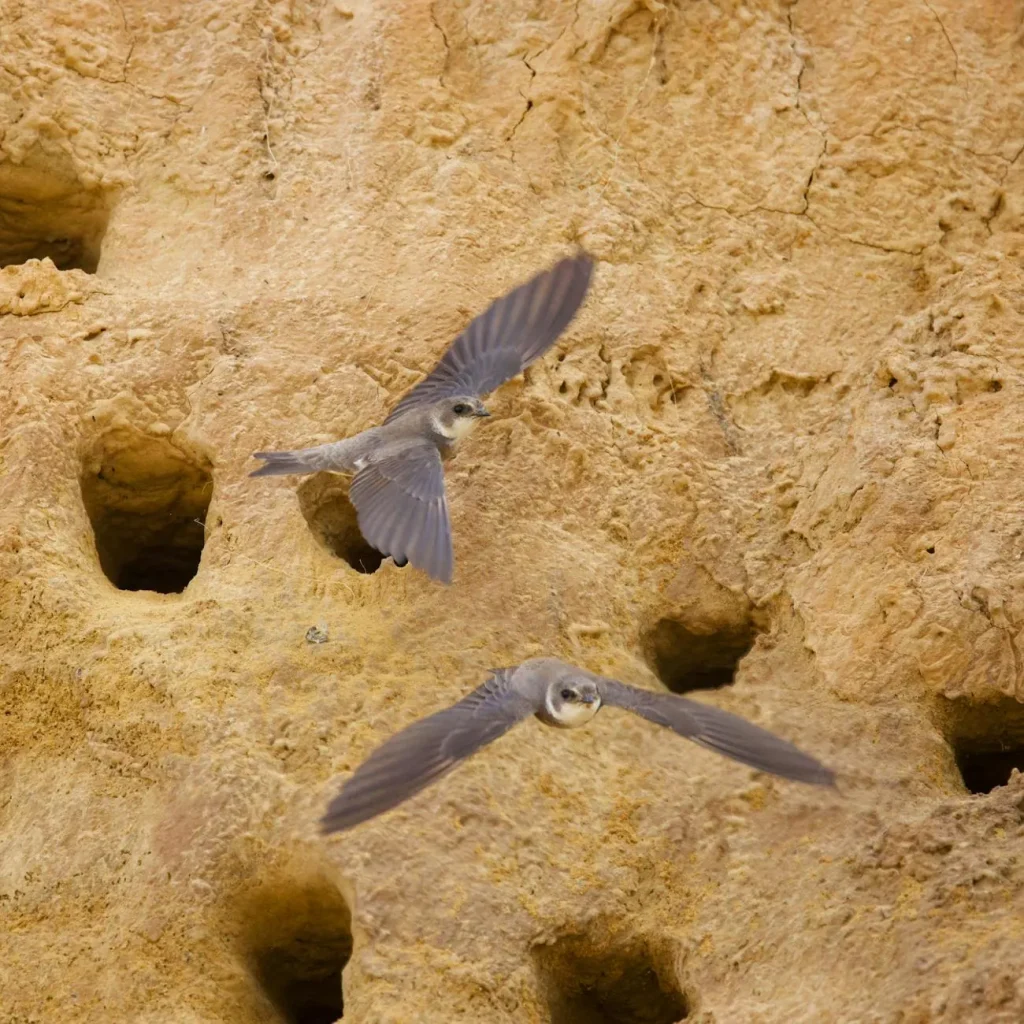
Construction work at a Leeuwarden site accidentally buried protected swallow nests during peak breeding season, drawing criticism from wildlife groups.
Oeverzwaluw nest destruction at an active construction site in Leeuwarden, the capital of the northern Dutch province of Friesland, has forced the municipality to issue a formal public apology after workers inadvertently buried a colony of protected bank swallow nests under sand during the birds’ critical breeding season.
The incident, which came to light in the spring of 2025, immediately drew sharp criticism from local wildlife protection groups and concerned residents who noticed the sudden disappearance of a known nesting colony. The Oeverzwaluw, known in English as the bank swallow or sand martin, is a migratory bird that returns to the Netherlands each spring to breed in steep sandy riverbanks and embankments. It is a protected species under Dutch law, meaning its nests, eggs, and chicks cannot legally be disturbed during the breeding season.
How the Oeverzwaluw Nest Destruction Unfolded
According to municipal statements, the construction project involved earthmoving and sand-filling activities at a site where Oeverzwaluw nests were present in an embankment. The timing proved disastrous: the work coincided directly with the period when the birds had already established active nests, and potentially were incubating eggs or raising young chicks inside the burrows they had excavated.
Sand was deposited over or against the embankment, effectively sealing and collapsing the nest tunnels. Workers and site supervisors at the time reportedly did not identify the occupied burrows before proceeding. The municipality acknowledged that proper pre-construction checks, which should have included an ecological survey to identify the presence of protected species, were either not carried out thoroughly or were not acted upon in time to prevent the damage.
Wildlife advocates were quick to point out that the Dutch Flora and Fauna Act, now embedded within the broader Wet Natuurbescherming (Nature Protection Act), explicitly prohibits the disturbance or destruction of nests belonging to protected bird species. Violations can carry significant legal consequences for municipalities and contractors alike. The Dutch government’s nature and biodiversity framework outlines these obligations clearly for all parties involved in land development projects.
The Oeverzwaluw is classified as a species of concern in the Netherlands. Its population has faced pressure from habitat loss, as the naturally occurring sandy riverbanks and cliffs it depends on for nesting have diminished due to river engineering and development. Man-made embankments at construction and infrastructure sites have become increasingly important substitute habitats for the species, making incidents like the one in Leeuwarden particularly damaging to local breeding populations.
Municipal Response and Steps Being Considered
Leeuwarden’s municipal authorities did not attempt to minimize the seriousness of the incident. In their public statement, officials expressed genuine regret over the loss of the nests and acknowledged that the situation represented a failure to uphold both their legal obligations and their broader responsibility to protect the natural environment within the city’s boundaries.
The apology was welcomed by wildlife organizations, though several groups stressed that words alone are insufficient and that concrete procedural changes are essential. Advocates called on the municipality to implement mandatory ecological screenings before any groundwork begins on future projects, particularly during the bird breeding season, which in the Netherlands typically runs from March through August.
Among the measures being discussed are pre-construction ecological assessments carried out by certified naturalists, the installation of monitoring protocols at sites near known or potential wildlife habitats, and closer coordination between the municipal planning department and regional environmental authorities. There is also discussion about whether artificial nesting banks, specially constructed embankments designed to attract and shelter Oeverzwaluw colonies, could be created elsewhere in the city as partial mitigation for the loss.
Experts note that such artificial nesting sites have been used successfully in other Dutch municipalities and infrastructure projects, offering the bank swallow a viable alternative when natural habitats are unavailable. Statistics Netherlands (CBS) data on nature and environment consistently show the pressure that urbanisation places on native bird populations, underscoring why proactive measures matter far more than reactive apologies.
Local residents who had monitored the Oeverzwaluw colony over previous seasons expressed sadness at the loss, describing the birds as a valued and lively presence each spring. Several said they hoped the publicity surrounding the incident would encourage not just Leeuwarden but municipalities across the country to take wildlife protection obligations more seriously before breaking ground on any project.
Environmental law specialists have noted that the municipality could still face scrutiny from provincial oversight bodies, which are responsible for enforcing the Nature Protection Act at the regional level. Whether formal enforcement action will follow remains to be seen, but the public nature of the apology suggests that Leeuwarden is eager to demonstrate good faith and avoid escalation.
The broader lesson from the Leeuwarden incident is one that applies to construction and development projects throughout the Netherlands. Protected species do not restrict themselves to designated nature reserves; they colonise the margins of human infrastructure wherever conditions allow. Recognising that reality, and building it into project planning from the earliest stages, is both a legal requirement and an ethical responsibility for every local authority in the country.