Art restitution reveals justice Netherlands
Art restitution in the Netherlands gains momentum as a WWII painting is returned to a Jewish dealer's heirs, symbolizing justice.

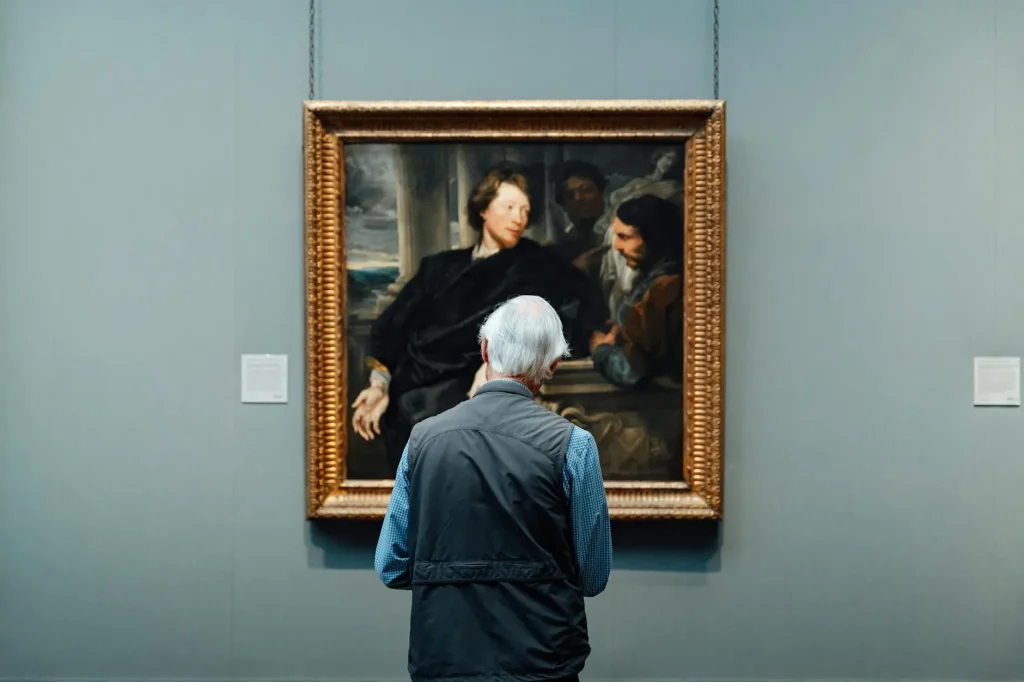
Stolen WWII painting found in Germany returns to rightful heirs, highlighting historical justice.
Art restitution in the Netherlands is making headlines as a painting stolen during World War II has been discovered in Germany. Originally owned by a Jewish art dealer, the artwork was found in the possession of an SS general’s family. This case is part of a broader effort to return looted artworks to their rightful heirs, addressing historical injustices from the war.
Significance of Art Restitution
The discovery of the painting is not just an isolated incident; it represents a significant step in the ongoing journey towards justice and reconciliation. Restoring art to its rightful owners plays a crucial role in healing cultural and historical wounds. For the descendants of the original owner, this restitution is more than just the return of an artwork; it is a symbolic gesture of acknowledgment and justice.
During World War II, countless artworks were looted from Jewish families and other persecuted groups. Many of these pieces vanished into private collections or were sold under duress. Efforts to track and return these stolen items have been ongoing, but the process is often complex and fraught with challenges.
Efforts in the Netherlands
The Netherlands has been at the forefront of art restitution efforts. The Dutch Restitutions Committee, established to address claims of looted art, plays a pivotal role in these processes. They work diligently to investigate claims, verify provenance, and ensure that artworks are returned to their rightful owners. This recent case is a testament to their ongoing efforts and dedication.
Moreover, the Dutch government supports these initiatives by providing resources and legal frameworks that facilitate restitution. This commitment underscores the importance of cultural heritage and the need to address past wrongs.
Restitution cases often require international cooperation. In this instance, the artwork’s discovery in Germany and its planned return to the Netherlands highlight the collaborative efforts between countries to address historical thefts. Such cooperation is essential in navigating the legal and logistical complexities involved in art restitution.
Background and Impact
The painting’s original owner was a Jewish art dealer who lost his collection during the Nazi occupation. The recovery and return of this artwork serve as a poignant reminder of the personal and cultural losses suffered during the war. For the descendants, it is a moment of closure and recognition of their family’s history.
Art restitution also has a broader cultural impact. It helps preserve and restore cultural identity, ensuring that significant artworks remain connected to the heritage from which they originate. By returning these pieces, societies can begin to mend the cultural fabric torn apart by war and persecution.
What Happens Next
The return of this painting is scheduled to take place in a ceremony that will likely involve representatives from both the Netherlands and the family of the SS general. Such events are significant, as they publicly acknowledge the past and celebrate the efforts made to rectify historical wrongs.
Looking ahead, the Netherlands and other countries will continue their efforts to identify and return looted artworks. The process is ongoing, with many pieces still unaccounted for. However, each successful restitution case adds momentum to the cause, encouraging further investigations and recoveries.
In conclusion, art restitution in the Netherlands is not just about returning physical objects. It is about justice, reconciliation, and healing. As more artworks find their way back to their rightful owners, society takes another step towards acknowledging and rectifying the injustices of the past.
For more information on art restitution efforts, visit the Dutch government’s cultural heritage page and the Wikipedia entry on art restitution.