Dutch court upholds North Sea fishing ban to protect marine ecosystems
A Dutch court upheld the North Sea fishing ban, strengthening efforts to protect fragile marine ecosystems and biodiversity.

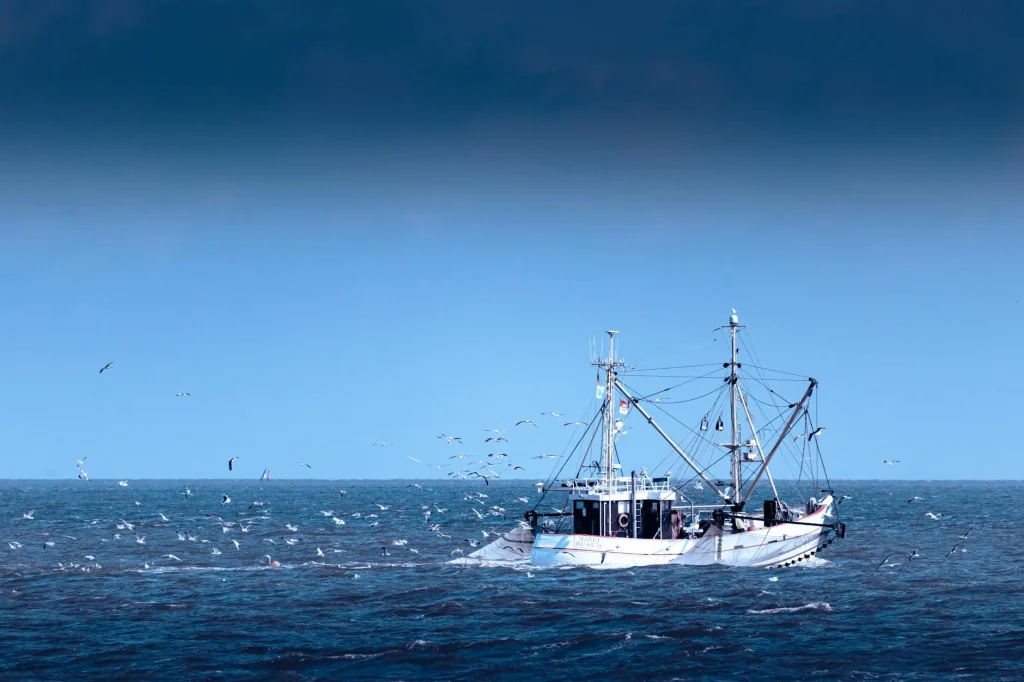
Dutch court upholds fishing ban in North Sea area, supporting conservation efforts and protecting marine ecosystems.
The North Sea fishing ban has been upheld by a Dutch court, marking a significant victory for environmental conservation efforts. This decision supports the claims of environmental organizations advocating for the protection of vulnerable marine ecosystems in the North Sea.
Why the North Sea Fishing Ban Matters
The North Sea is home to a diverse range of marine life, making it a critical area for biodiversity. The court’s decision to uphold the fishing ban in a designated area underscores the importance of safeguarding these sensitive ecosystems. Environmental organizations have long argued that overfishing poses a threat to the ecological balance, and this ruling aligns with broader conservation goals.
By restricting fishing activities, the ban aims to protect species that are at risk due to excessive fishing pressures. This measure not only helps preserve biodiversity but also ensures the sustainability of marine life for future generations. The court’s ruling is seen as a proactive step towards maintaining the health of the North Sea’s ecosystems.
Support from Environmental Organizations
Environmental groups have hailed the court’s decision as a landmark moment in the fight for marine conservation. These organizations have been advocating for stricter measures to prevent overfishing and protect endangered species. The upheld ban is a testament to their efforts and dedication to preserving the marine environment.
According to conservationists, the ruling provides a crucial framework for similar initiatives in other regions. It sets a precedent that underscores the importance of legal support in enforcing environmental protection measures. This decision is also expected to encourage further collaboration between governments and conservation groups.
In the broader context, the ruling aligns with international commitments to environmental sustainability. It reflects the Netherlands’ dedication to meeting global conservation targets and supporting marine biodiversity.
Background and Implications
The North Sea fishing ban was initially implemented following concerns over declining fish stocks and damage to marine habitats. Environmental organizations took legal action to ensure the continuation of the ban, emphasizing the need for immediate intervention to prevent irreversible ecological damage.
The court’s decision is a significant milestone in the ongoing efforts to protect the North Sea’s ecosystems. It highlights the crucial role of legal frameworks in supporting environmental conservation. Furthermore, the ruling could influence policy decisions in other countries facing similar ecological challenges.
The ban’s enforcement is expected to contribute to the recovery of fish populations and the restoration of marine habitats. By reducing fishing pressures, the ban provides an opportunity for ecosystems to regenerate, supporting the long-term health of the marine environment.
What Happens Next?
Following the court’s ruling, the focus will shift to monitoring and enforcing the ban. Authorities will need to ensure that the restrictions are effectively implemented to achieve the desired conservation outcomes. This will require collaboration between government agencies, environmental groups, and the fishing industry.
Additionally, the ruling may prompt further discussions on expanding protected areas within the North Sea. Conservationists are likely to advocate for more comprehensive measures to address other environmental threats, such as pollution and climate change.
In conclusion, the upheld North Sea fishing ban represents a significant step forward in marine conservation. By protecting vulnerable ecosystems, the ruling supports the preservation of biodiversity and the sustainability of marine life. This decision not only benefits the environment but also aligns with global efforts to address ecological challenges.
For more information on the ruling and its implications, visit the Rijksoverheid website and the KNMI website.