A24 digital toll system criticized for user confusion
The A24 digital toll system between Vlaardingen and Rozenburg faces scrutiny for unclear user instructions and accessibility problems.

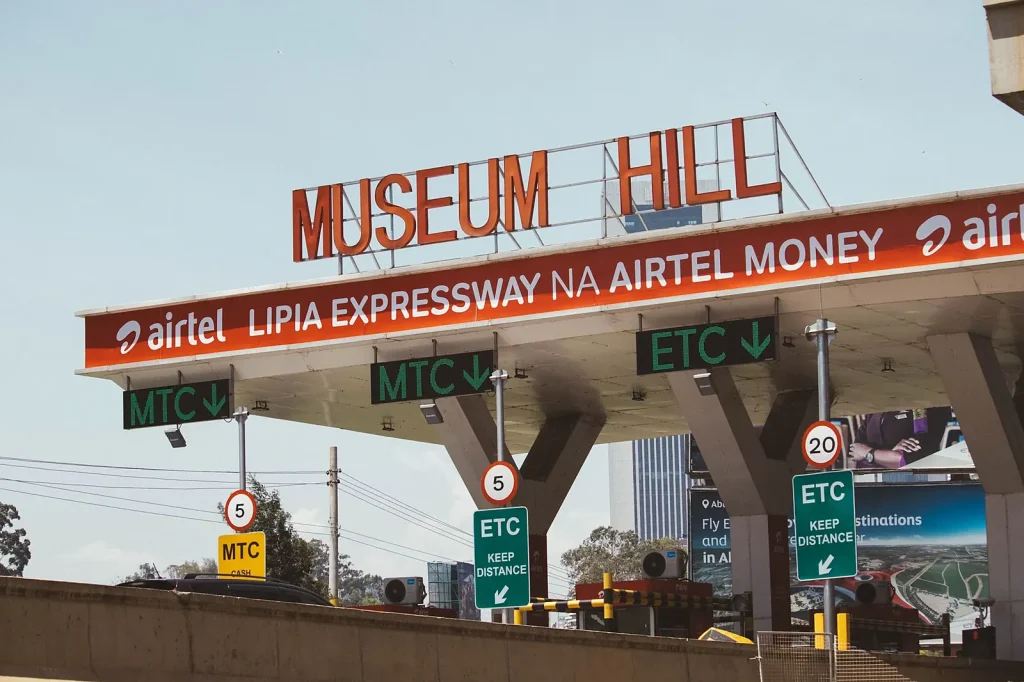
The A24 motorway’s digital toll system faces backlash over user accessibility and clarity issues.
The A24 digital toll system, connecting Vlaardingen to Rozenburg, has come under scrutiny for its lack of clarity and accessibility. Many users have expressed frustration, finding the system difficult to handle. The National Ombudsman, an independent Dutch authority, has highlighted these concerns, emphasizing the need for improvements in digital transformation within public infrastructure.
The A24 motorway features a digital toll system that operates without traditional toll booths. Instead, drivers are required to pay tolls online within 72 hours of using the tunnel. However, the absence of physical payment points has left many users unaware of this requirement, leading to confusion and missed payments.
Concerns Raised by the National Ombudsman
The National Ombudsman has voiced significant concerns about the current system. They argue that the lack of clear instructions and the necessity for online payments pose accessibility challenges for certain user groups. “Many drivers are simply unaware of their obligation to pay online,” a representative from the Ombudsman’s office stated. This issue reflects broader challenges in the digitalization of public services.
For some users, particularly those less familiar with digital technologies, the system’s complexity is a barrier. The Ombudsman has called for a review of the system to ensure it is user-friendly and accessible to all. This includes considering alternative payment methods and providing clearer instructions at the tunnel’s entry and exit points.
The Impact of Digitalization on Public Services
This situation highlights the broader implications of digital transformation in public services. While digital systems can offer efficiency and convenience, they must be designed with all users in mind. The A24 toll system serves as a reminder of the importance of accessibility in digital infrastructure.
The issues observed with the A24 toll system are not isolated. Across the Netherlands, various digital public services have faced criticism for being inaccessible to certain demographics. As public services continue to embrace digital solutions, ensuring inclusivity remains a key challenge.
The Dutch government has been urged to consider these factors in future infrastructure projects. Enhancing user experience and ensuring systems are intuitive could prevent similar issues. It is essential that digital advancements do not alienate segments of the population, particularly those less familiar with technology.
Background on the A24 Motorway
The A24 motorway is a crucial link between Vlaardingen and Rozenburg, facilitating regional traffic flow. The introduction of the digital toll system was part of a broader initiative to modernize road infrastructure across the Netherlands. However, the system’s implementation has revealed gaps in user accessibility and communication.
Authorities are now tasked with addressing these issues to improve the system’s functionality. This includes exploring additional payment options and enhancing the visibility of payment instructions. By doing so, they aim to create a more inclusive and user-friendly experience for all motorists.
What Happens Next?
In response to the criticism, the relevant Dutch authorities have acknowledged the need for improvements. They are expected to conduct a thorough review of the A24 toll system. This process will involve consulting with user groups and accessibility experts to identify practical solutions.
Potential changes may include implementing multilingual signage, offering alternative payment methods, and enhancing online system interfaces. These measures aim to ensure that the digital toll system serves the needs of all users effectively.
The scrutiny of the A24 digital toll system shows the ongoing challenges of digital transformation in public infrastructure. As the Netherlands continues to innovate, maintaining accessibility and clarity must remain a priority to ensure that all citizens can benefit from technological advancements.