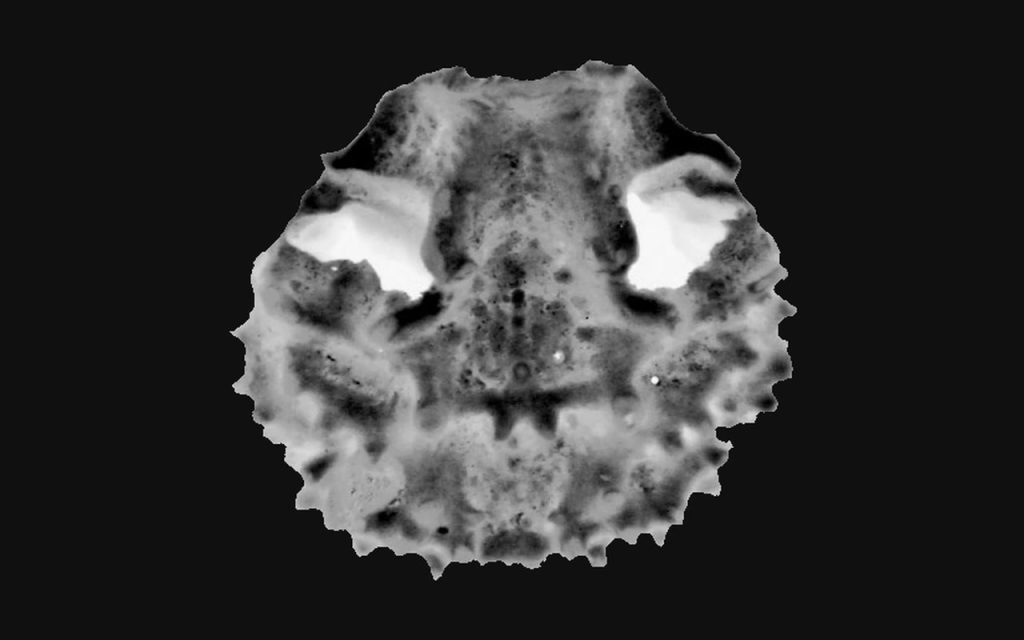
ALS patient communication breakthrough ignites new hope
A paralyzed ALS patient can now communicate using a brain implant, thanks to a breakthrough involving UMC Utrecht.

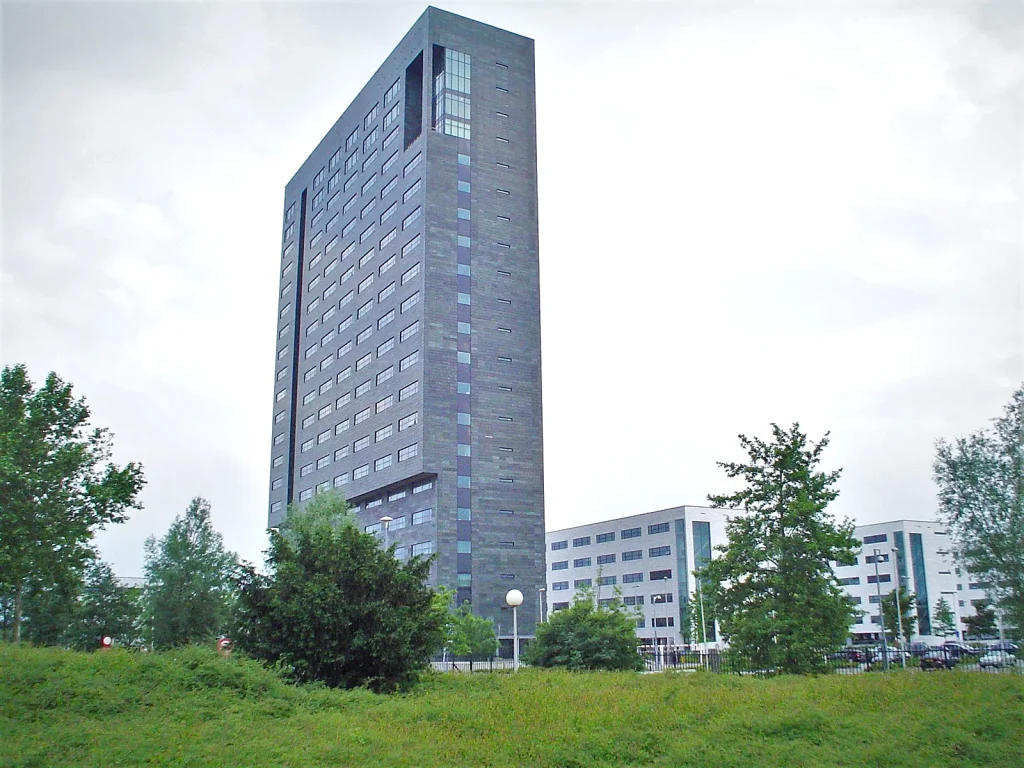
A brain implant enables a paralyzed ALS patient to communicate, offering renewed possibilities for quality of life.
A groundbreaking development in the Netherlands offers renewed hope for ALS patients. A paralyzed patient has regained the ability to communicate using a brain implant, marking a significant step forward in medical technology. The device, developed with contributions from UMC Utrecht, captures brain signals and translates them into words on a computer screen. This innovation promises to improve the quality of life for many living with ALS.
How the Technology Works
The brain implant is connected to electrodes placed in the motor areas of the brain. These electrodes pick up signals that the brain generates when the patient thinks about speaking. The signals are then converted into words, allowing communication through a computer interface. This technology not only enables patients to interact with family and friends but also allows them to resume professional activities.
Mariska van Steensel, a lead researcher at UMC Utrecht, explained the significance of this advancement. “The impact is gigantic on someone’s life,” she stated, highlighting how this technology can transform daily living for those with ALS.
Implications for ALS Patients
The implications of this technology extend beyond communication. For many ALS patients, losing the ability to speak can lead to isolation and frustration. This brain implant offers a direct line to the outside world, fostering a sense of connection and independence. By facilitating communication, patients can actively participate in social and professional environments, which significantly enhances their quality of life.
this development may pave the way for further innovations in neurotechnology. As researchers continue to refine the device, the potential to expand its use to other conditions involving paralysis becomes increasingly feasible.
The collaboration with UMC Utrecht shows the Netherlands’ role in advancing medical technology. It highlights the importance of interdisciplinary cooperation in achieving breakthroughs that directly benefit patients.
Background and Future Prospects
ALS, or amyotrophic lateral sclerosis, is a progressive neurodegenerative disease that affects nerve cells in the brain and spinal cord. As the disease progresses, patients lose the ability to initiate and control muscle movement, leading to complete paralysis in advanced stages. Communication becomes challenging, often requiring complex and limited methods.
This new brain implant technology offers a viable solution. It not only restores a fundamental human function but also provides hope for more comprehensive solutions in the future. Researchers are optimistic that similar technologies might be adapted for other neurodegenerative diseases, offering broader applications in healthcare.
Looking ahead, the focus will be on refining the technology to make it accessible to a larger number of patients. Efforts will also concentrate on reducing costs and improving the ease of use, ensuring that the technology is both effective and user-friendly.
As the medical community continues to explore this technology, the potential for improving the lives of ALS patients looks promising. The breakthrough serves as a reminder of the power of innovation and collaboration in overcoming the challenges posed by debilitating diseases.
For more details on the technology and its development, visit the official websites of UMC Utrecht and the Rijksoverheid.