Amrita Sher-Gil works come to Drents Museum in Assen
The Amrita Sher-Gil exhibition at Assen's Drents Museum brings over 60 works from New Delhi to the Netherlands for the first time, running May 14 to September 20.

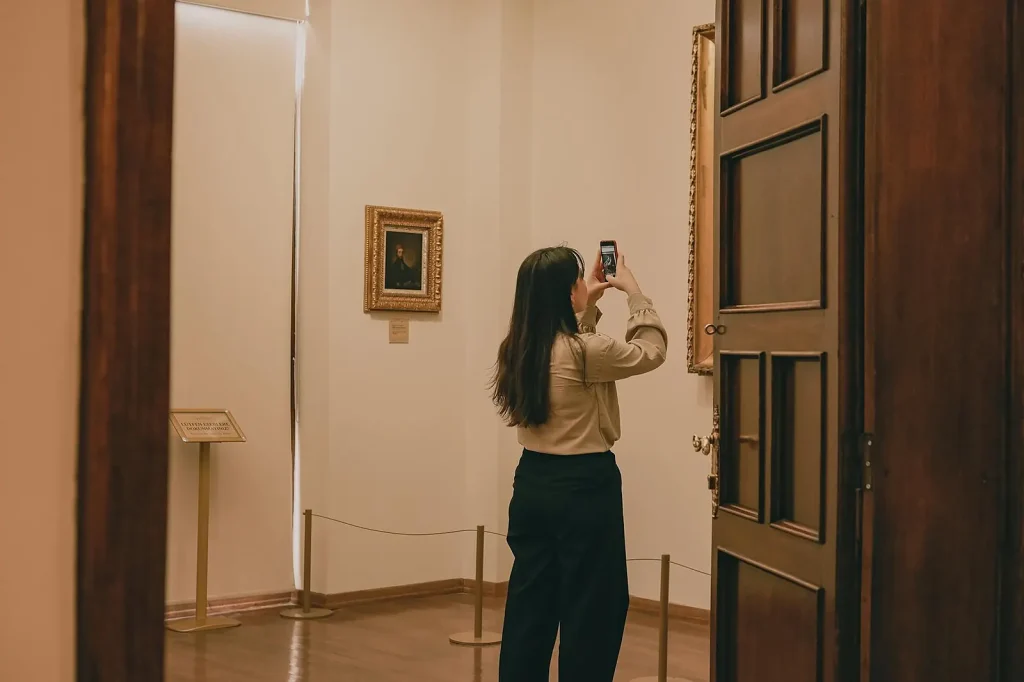
The Drents Museum opens the Netherlands’ first major showcase of the pioneering Indian painter’s iconic canvases this May.
The Amrita Sher-Gil exhibition opening at the Drents Museum in Assen on 14 May marks a historic moment for Dutch cultural life, introducing audiences to one of South Asia’s most celebrated and rarely exported modern painters. Titled Europa is from Picasso, India is from Me, the show features more than 60 works drawn from the permanent collection of the National Gallery of Modern Art in New Delhi, pieces that almost never leave Indian soil.
Sher-Gil, born in 1913 to a Hungarian mother and a Punjabi Sikh father, is widely regarded as one of the most important figures in twentieth-century Indian art. She studied at the prestigious École des Beaux-Arts in Paris before returning to the subcontinent in 1934, a journey that would fundamentally reshape her practice and her legacy. Her canvases blend the sensuous colour palette of Post-Impressionism with the flattened compositional depth of Mughal and Pahari miniature painting, producing a body of work that feels simultaneously European and unmistakably Indian.
Amrita Sher-Gil Exhibition Arrives After Geopolitical Delays
The road to Assen was not straightforward. Diplomatic and logistical complications rooted in broader geopolitical tensions between India and several Western nations delayed the shipment of the works by a significant period. Museum officials confirmed that the paintings have now safely arrived and are being installed in the gallery spaces. The fact that they made the journey at all is a testament to sustained behind-the-scenes negotiations between cultural institutions on both sides.
The Drents Museum, located in the provincial capital of Assen in the northeastern Dutch province of Drenthe, has built a strong international reputation over recent decades for bringing rarely seen global heritage to the Netherlands. Its previous major international exhibitions have drawn visitors from across the country and from neighbouring Germany and Belgium. Organisers expect this summer’s show to be among the most attended in the museum’s recent history.
For Dutch audiences, the exhibition offers something genuinely new. While Sher-Gil’s name is well known in art history circles and her work is regularly referenced in academic syllabuses, her paintings are almost entirely absent from European museum collections. The few canvases held outside India are scattered across private hands. This makes the Assen showing not merely a cultural event but a rare opportunity, possibly a once-in-a-generation chance, for European visitors to stand in front of original oils and study their texture, scale, and colour in person.
Why This Cultural Exchange Matters for the Netherlands
The exhibition arrives at a moment when Dutch cultural institutions are actively broadening their programming to reflect the country’s increasingly diverse population and its deep historical connections with Asia. The Netherlands and India share centuries of trading history, and the Indian community in the Netherlands numbers in the tens of thousands. For many of those residents, seeing Sher-Gil’s work displayed prominently in a mainstream Dutch museum carries a significance that goes well beyond aesthetic appreciation.
The exhibition’s title, Europa is from Picasso, India is from Me, is drawn from a remark Sher-Gil herself reportedly made, a declaration that was bold, even confrontational, in the context of a mid-twentieth century art world that rarely acknowledged non-Western voices on equal terms. That confidence resonates strongly today. Curators have organised the works thematically rather than strictly chronologically, allowing visitors to trace the recurring subjects that preoccupied Sher-Gil throughout her short life: women in repose, village scenes, the Indian landscape bathed in amber afternoon light, and intimate psychological portraits that seem to press against the boundary of the canvas.
Among the highlights are several of her celebrated Group of Three Girls studies, large-format works in which three South Indian women sit in postures of quiet contemplation. The subdued palette, ochres, burnt siennas, muted greens, is deceptive; up close, the surfaces reveal an extraordinary complexity of layered brushwork. Also on display are earlier European-period paintings from her Paris years, which allow visitors to trace the evolution of her style in real time.
Scholars and educators have welcomed the show enthusiastically. Art history teachers from secondary schools across the Netherlands have already begun enquiring about group bookings, and the museum has prepared an educational programme aimed at secondary and university students that contextualises Sher-Gil’s work within both the global modernist movement and the history of Indian nationalism.
Visitor numbers are expected to peak during the summer holiday months of July and August, when the museum traditionally draws its largest crowds. The exhibition runs until 20 September, giving autumn visitors a narrow final window. Those planning a trip are advised to book tickets in advance through the museum’s website. More information about the Drents Museum’s programme can be found on the museum’s Wikipedia page, and background on Sher-Gil’s life and influence is available via the Amrita Sher-Gil Wikipedia entry.
The Amrita Sher-Gil exhibition is free for children under twelve and is accessible to visitors with mobility requirements. Audio guides in Dutch and English are included with the standard admission price. The museum has also announced a series of public lectures by art historians specialising in South Asian modernism, scheduled throughout the summer months.
What Happens Next
Following its run in Assen, there are discussions, still at an early stage, about whether a selection of the works might travel to one further European venue before returning to New Delhi. No formal announcement has been made, and the National Gallery of Modern Art in India retains final say over the itinerary. For now, Assen remains the sole European destination for this extraordinary collection, and the Drents Museum is the only place on the continent where visitors can encounter the Amrita Sher-Gil exhibition in 2025.
Cultural diplomacy of this kind, patient, painstaking, and ultimately rewarding, serves as a reminder of what museums can achieve when they commit to genuine international partnership. The works have crossed continents despite considerable obstacles. They deserve to be seen.