Box 3 funding: coalition split over paper gifts tax
The coalition's box 3 funding dispute centres on paper gifts that can reduce inheritance tax. Earlier proposals affecting investors have been dropped, leaving parties seeking alternatives.

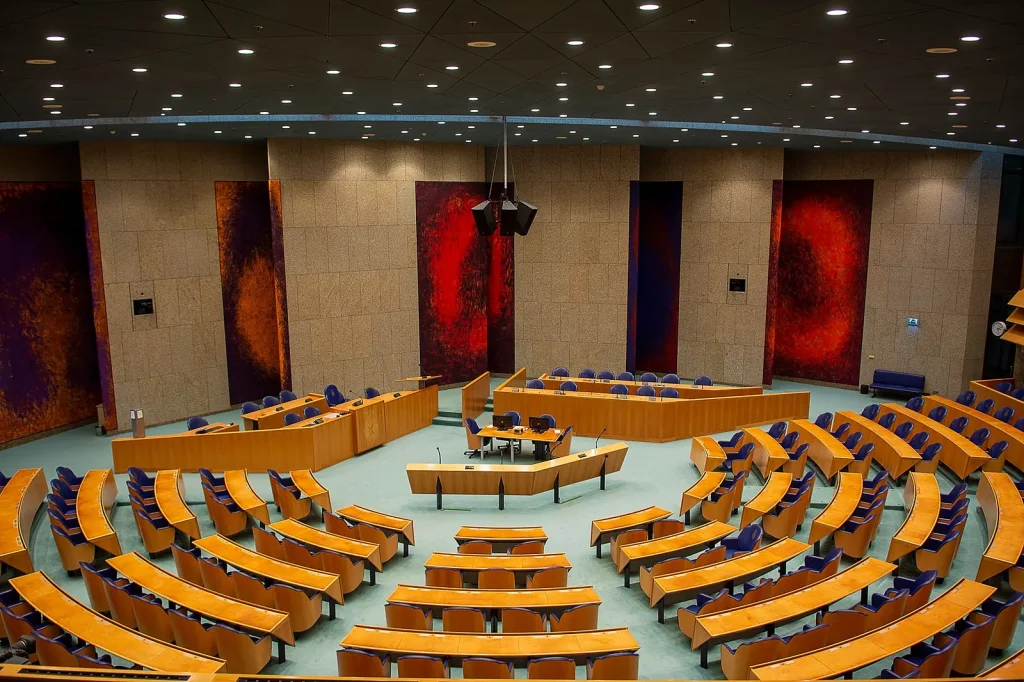
Parties disagree over changing tax-favourable gifts to cover a multibillion-euro gap from the planned switch in wealth taxation.
Dutch coalition parties disagree over how to fund planned changes to taxes on savings, investments and second homes. The government wants to introduce a capital gains tax in 2028. However, switching systems would leave a budget gap of billions of euros.
The box 3 funding dispute now centres on tax-favourable paper gifts, which can reduce inheritance tax. D66, the Dutch social-liberal party, and CDA, the Christian Democratic party, support changing these arrangements. But VVD, the Dutch liberal party, opposes that approach.
The disagreement appears in reporting by NOS, the Dutch public broadcaster. For households, the distinction matters: these are proposals, not new tax rules already in force.
Why changing the tax system leaves a gap
Box 3 is the Dutch income tax category covering savings and investments. It also covers property such as second homes. The government’s planned capital gains approach would collect tax after owners sell assets such as shares.
That timing helps explain the funding problem. An investment can gain value while its owner keeps it for years. Under a tax based on realised gains, selling the asset becomes the point when that gain generates tax revenue.
As a result, moving to the new approach changes when money reaches the state. The cabinet needs a way to cover the transition gap. However, the supplied report gives no exact total or agreed funding package.
Paper gifts divide the coalition
Paper gifts offer a tax-favourable way to give money and reduce inheritance tax.
D66 and CDA support changing the tax treatment of these gifts to help close the gap. VVD rejects that option. The source does not set out a detailed replacement rule or estimate its effect on individual families.
VVD parliamentary leader Brekelmans said: “We gaan daar niet aan tornen”. This means: we are not going to tamper with that.
His response marks a clear disagreement over this funding option. The cabinet has asked parties to put forward other ways to raise the money.
The VVD proposed a further reduction in the box 2 tax rate for entrepreneurs, hoping to encourage withdrawals from their companies. That proposal secured a parliamentary majority. However, the source says it would not cover the box 3 transition over the long term.
For families with existing paper gifts, the difference between discussion and legislation is especially important. No agreed change to those arrangements emerges from this report. Nor does it provide a start date for any such change.
Earlier investor proposals have been dropped
An earlier funding proposal would have affected about 1.5 million investors, with assets starting at €30,000. That proposal has been dropped. The figure should therefore not be read as a new tax threshold that households must apply.
A proposal to tax more savers and investors on gains above €1,000 under the future system has also been dropped. However, the report does not provide a final replacement threshold. Readers should not use either discarded figure to calculate a future tax bill.
These decisions narrow the options already discussed, but they do not settle the funding question. The cabinet still needs alternative proposals. Meanwhile, households lack the final rules needed to compare their present tax position with the planned system.
What this means for people living in the Netherlands
The proposals matter most to people with taxable savings, investments or second homes. Families using paper gifts may also face changes if that option returns in an agreed package. However, this report creates no new filing deadline or immediate payment requirement.
What happens next
The cabinet has asked parties for alternative funding proposals. The next question is which option can win political support. Until then, the intended 2028 start date is a government plan, not proof that every detail is settled.
For households, the useful milestones are an agreed funding package and published legislation. Those should clarify who pays, when changes start and whether existing arrangements receive transitional rules. For now, neither dropped thresholds nor party demands provide that certainty.