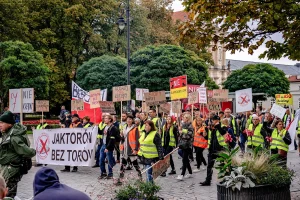
Brabant Admits Communication Failures, 50 Farms Impacted
Brabant province admits to communication failures in permit changes affecting 50 farms. Officials pledge transparency improvements.

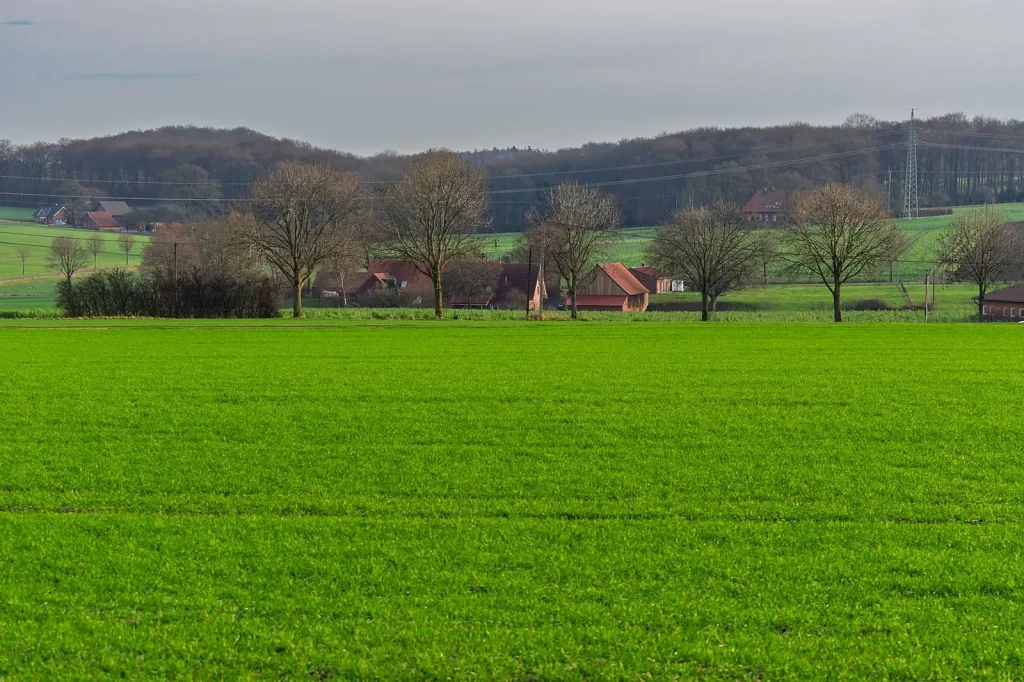
Brabant officials admit errors in permit communication, affecting farmers and pledging improvements.
The province of Brabant has admitted to significant communication failures regarding the revocation of permits for farmers, affecting 50 farms across the region. This acknowledgment follows a wave of backlash from the farming community, who were left in confusion and uncertainty over their future operations.
Brabant Communication Failures Revealed
Officials in Brabant, a province in the southern Netherlands, have confessed to errors in how they communicated key policy changes to farmers. The issue centered around the revocation of permits, which many farmers claim was not adequately explained or justified. The lack of clear communication led to widespread distress among those affected, who rely heavily on these permits for their livelihoods.
The provincial government has faced mounting criticism from farmers and local stakeholders. The affected parties argue that the changes were not only abrupt but also poorly communicated. Many farmers reported receiving notifications with little to no clarity on the reasons behind the permit revocations.
Commitment to Improve Transparency
In response to the criticism, Brabant officials have pledged to enhance the transparency and consistency of their procedures. They have committed to reviewing their communication strategies to ensure such issues do not recur in the future. A spokesperson for the provincial government stated, “We recognize the impact of our communication failures and are dedicated to improving our processes to restore trust with the farming community.”
This pledge comes at a crucial time, as the agricultural sector in the Netherlands is under significant scrutiny due to environmental policies and sustainability goals. Clear communication is essential to maintain trust and ensure compliance with evolving regulations.
Farmers, meanwhile, have expressed cautious optimism about the government’s promises. They emphasize the importance of being included in discussions about policy changes that directly affect their operations.
Background
Brabant is a key agricultural region in the Netherlands, known for its dairy and livestock farming. The province has been at the forefront of implementing environmental regulations aimed at reducing nitrogen emissions, which have been a contentious topic nationwide. The revocation of permits was part of these broader efforts, although the execution has been fraught with challenges.
The Dutch government has been working on balancing environmental concerns with the needs of the agricultural sector, a task that has proven difficult given the economic and social importance of farming in the country.
What Happens Next
Moving forward, Brabant officials are expected to engage more closely with farmers and agricultural representatives. This collaboration aims to develop a more transparent framework for future policy implementations. The provincial government has also indicated plans to hold public consultations and workshops to gather feedback and improve their strategies.
For the farmers, the focus remains on securing their livelihoods and ensuring that any policy changes are communicated clearly and effectively. The recent events in Brabant serve as a reminder of the critical role communication plays in policy enforcement, especially in sectors that impact daily lives.
As the situation unfolds, the province’s efforts to address these communication failures will likely be closely watched by other regions facing similar challenges. The outcome could set a precedent for how policy changes are managed and communicated in the future.
For more information on the policies affecting the agricultural sector in the Netherlands, visit the rijksoverheid and for local news, see politie.