Dutch couple, 69, die from hantavirus after South America cruise
Dutch hantavirus deaths have shocked the Netherlands after a couple aged 69 contracted the Andes variant during a South American cruise voyage.

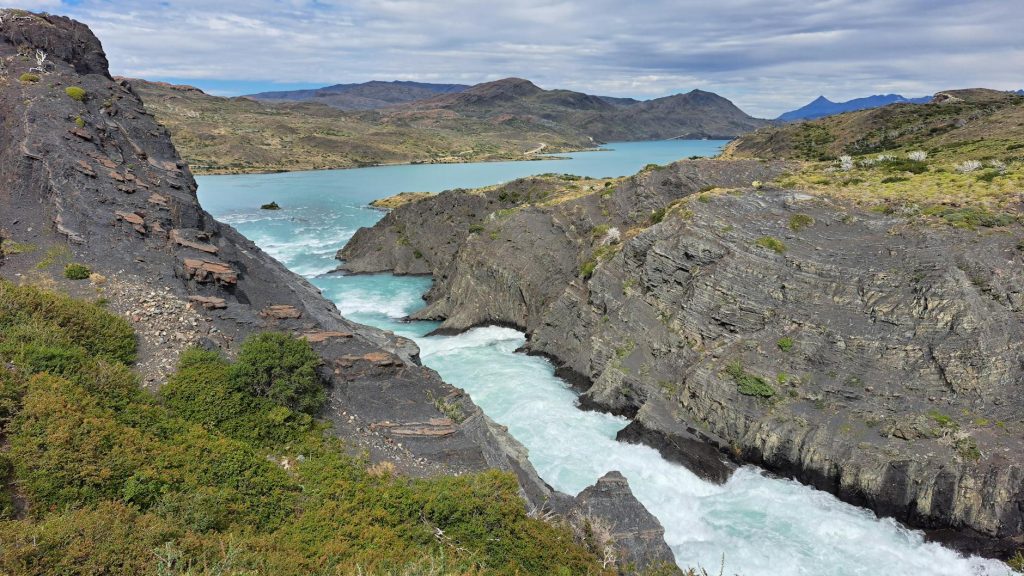
A Dutch couple in their late 60s has died after contracting hantavirus during a cruise following a four-month journey through South America.
Dutch hantavirus deaths have sent a wave of concern through the Netherlands and the broader public health community after a couple, both aged 69, passed away following a four-month journey through South America that concluded with a cruise departing from Ushuaia, Argentina. Three other passengers on the same voyage also fell ill, prompting urgent investigations by health authorities on both sides of the Atlantic.
The couple had spent approximately four months travelling across Argentina, Chile, and Uruguay before boarding a cruise ship in Ushuaia, the southernmost city in the world, bound ultimately for Cape Verde, an archipelago off the west coast of Africa. It was during or shortly after this voyage that symptoms consistent with hantavirus infection became apparent, and the outbreak was subsequently identified.
Hantavirus is a potentially life-threatening illness transmitted primarily through contact with infected rodents, their droppings, urine, or saliva. Unlike some other infectious diseases, it is not routinely spread from person to person, with one notable exception. The Andes variant, which is suspected in this case, is the only known strain of hantavirus that has demonstrated limited human-to-human transmission capability, making it a particular focus of concern for epidemiologists.
What Is the Andes Variant Behind the Dutch Hantavirus Deaths?
The Dutch hantavirus deaths are believed to be linked to the Andes variant, sometimes also referred to as the Andalusian variant, which is endemic to the southern cone of South America, particularly in Patagonia. This strain is considered among the most dangerous of the hantavirus family, with a case fatality rate that can reach between 25 and 35 percent in some outbreak clusters.
Hantavirus Pulmonary Syndrome (HPS), the disease caused by the Andes strain, typically begins with flu-like symptoms including fever, muscle aches, and fatigue. Within days, patients can develop severe respiratory distress as fluid accumulates in the lungs. There is currently no specific antiviral treatment approved for hantavirus infection; care is primarily supportive, often requiring intensive care unit admission and mechanical ventilation.
Argentine health officials have launched an investigation into rodent populations in the southern regions of the country to trace the exact source of the exposure. Patagonia and Tierra del Fuego, which includes Ushuaia, are known habitats for the long-tailed pygmy rice rat and other rodent species that can carry the Andes strain. Determining the precise location and circumstances of infection is critical not only for understanding this outbreak but also for warning future travellers to the region.
For further context on hantavirus transmission and global epidemiology, the Wikipedia overview of hantavirus provides a useful scientific summary, while the Dutch government’s infectious disease portal outlines how the Netherlands monitors and responds to imported infection risks.
Dutch Hantavirus Deaths Prompt Travel Health Warnings
The Dutch hantavirus deaths serve as a stark reminder of the health risks that can accompany extended travel through rural or wilderness areas of South America. Travellers who hike, camp, or stay in rustic accommodations in regions where rodents are prevalent face an elevated risk of incidental exposure, particularly if they handle firewood, sleep in poorly ventilated cabins, or disturb areas where rodents may have nested.
Public health experts emphasise that awareness and prevention are the most effective tools against hantavirus. Practical precautions include airing out enclosed spaces before entering, avoiding contact with rodents or their nesting materials, wearing gloves and masks when cleaning areas potentially contaminated by rodents, and storing food in sealed containers. Travellers returning from high-risk areas who develop fever, muscle pain, or breathing difficulties should seek medical attention promptly and inform healthcare providers of their recent travel history.
The fact that three additional passengers aboard the cruise also became ill has added a layer of complexity to the investigation. Authorities are working to establish whether those cases share a common environmental exposure on land, such as a specific excursion or accommodation, or whether any limited person-to-person transmission may have occurred aboard the vessel. Investigators are reportedly interviewing surviving passengers and reviewing the itinerary of shore excursions in detail.
This is not the first time hantavirus has claimed lives connected to international travel. Historically, small clusters have emerged among tourists visiting Yosemite National Park in the United States, where the Sin Nombre variant, a different but equally deadly strain, is carried by deer mice. Those outbreaks, though geographically and biologically distinct, helped establish international protocols for investigating travel-associated hantavirus cases.
What Happens Next
Argentine health authorities are expected to publish preliminary findings from their rodent surveillance programme in the coming weeks. Meanwhile, Dutch public health officials will likely issue updated travel advisories for South America, particularly for individuals planning extended stays in Patagonia or other rural southern regions. Healthcare providers across the Netherlands have been alerted to consider hantavirus in the differential diagnosis of patients presenting with unexplained febrile illness and respiratory symptoms following travel to the region.
The Dutch hantavirus deaths underscore how infectious diseases do not respect borders. As international travel resumes at full capacity following pandemic disruptions, the importance of pre-travel health consultations, including destination-specific risk assessments, has never been more pressing. Dutch travellers heading to South America are encouraged to consult a travel medicine clinic well in advance of departure and to remain vigilant about rodent exposure throughout their journey.
The couple’s passing is a profound loss, and their case will almost certainly shape how travel medicine specialists and public health agencies advise adventurous travellers for years to come. Understanding the full chain of transmission behind these Dutch hantavirus deaths remains a priority, both out of respect for the victims and in the interest of preventing future tragedies.