Dutch Hotels Boost Self Check-In Amid Labor Shortages
Dutch hotels increasingly adopt self check-in systems due to labor shortages, changing the face of hospitality.

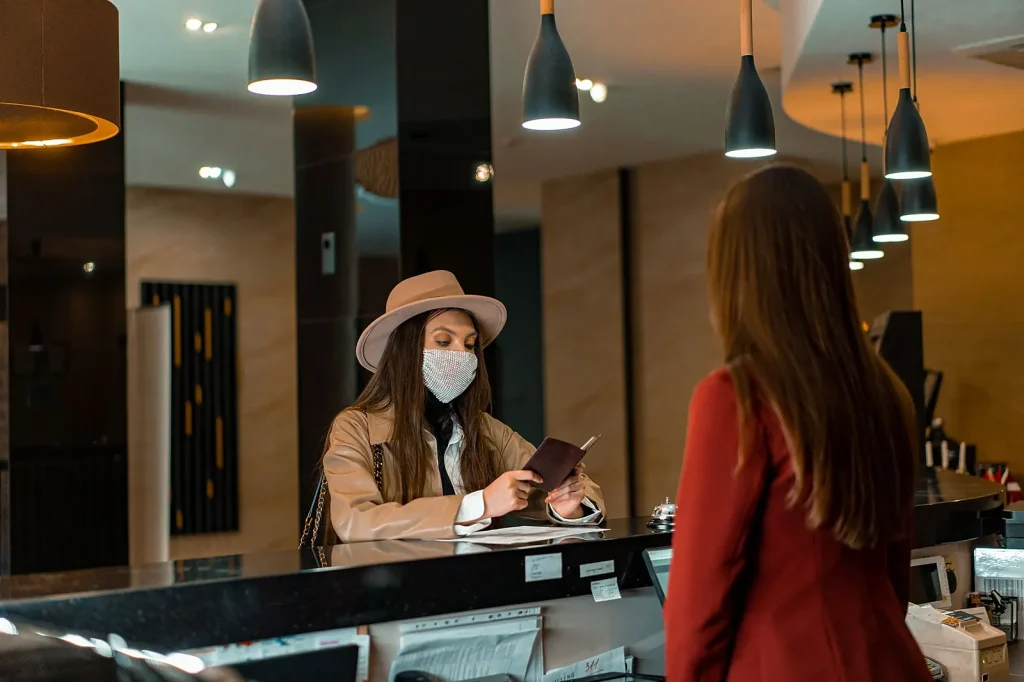
Digital check-in services become a norm in Dutch hotels, reshaping guest experiences.
In the Netherlands, the hospitality industry is undergoing a significant transformation as more hotels adopt self check-in services. This shift is primarily driven by ongoing labor shortages, compelling establishments to embrace digital solutions to maintain operational efficiency.
Guests at many Dutch hotels now have the option to check in using digital tablets or smartphone apps, a trend that reflects broader changes in the hospitality sector. By leveraging technology, hotels aim to simplify processes and reduce dependency on front desk personnel.
Why Self Check-In Is Rising
The move towards digital check-in is not just a response to labor shortages but also a cost-saving measure. With fewer staff required at the reception, hotels can allocate resources more effectively. This is particularly crucial for smaller hotels, where hiring full-time receptionists could render room prices unsustainable.
Hotel managers argue that the adoption of self check-in systems helps maintain competitive pricing. A manager from a boutique hotel in Amsterdam noted, “Without these digital services, we would struggle to offer affordable rates to our guests.”
In addition to cost savings, digital check-in systems enhance the guest experience by reducing wait times and allowing for more flexible check-in hours. This convenience is appealing to tech-savvy travelers who prefer smooth interactions.
Impact on Guest Experience
While self check-in offers numerous advantages, it also alters traditional hospitality experiences. The absence of a human touch at the front desk may impact how guests perceive service quality. Some visitors miss the personal interaction and assistance typically provided by reception staff.
Nevertheless, many hotels are finding ways to balance technology with personal service. For instance, some establishments offer virtual concierge services, where guests can interact with staff through video calls or chat functions within the app.
The shift to digital check-ins is part of a larger trend in the industry toward automation and digitalization. By adopting these technologies, hotels aim to meet the evolving expectations of their guests, who increasingly prioritize convenience and efficiency.
However, there are concerns about data privacy and security. As hotels gather more information through digital platforms, they must ensure compliance with regulations such as GDPR to protect guest data.
Background
The hospitality industry worldwide has been exploring digital solutions for years, but the COVID-19 pandemic accelerated this trend. In the Netherlands, the push towards self check-in systems is seen as a necessary evolution to keep up with changing dynamics and guest expectations.
What Happens Next
As the trend of self check-in continues to gain momentum, Dutch hotels are likely to invest further in technology. This includes not only check-in systems but also other digital amenities that enhance the guest experience.
Industry experts believe that while the personal touch remains important, technology will continue to play a crucial role in shaping the future of hospitality. Hotels that successfully integrate digital solutions without compromising service quality are expected to thrive.
Ultimately, the growth of self check-in in Dutch hotels marks a significant step in the ongoing evolution of the hospitality industry. It highlights the sector’s ability to adapt to challenges and embrace innovation for improved efficiency and guest satisfaction.