Dutch political party exclusion proposal faces criticism
The Dutch political party exclusion proposal faces criticism from the State Council, which warns it could restrict democratic participation.

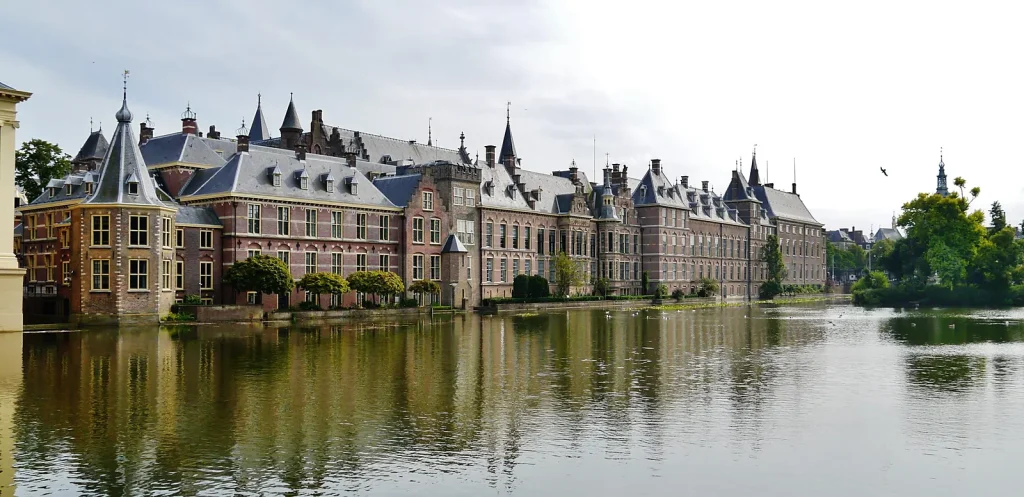
State Council warns proposal could limit democratic participation by excluding parties like PVV.
The Dutch political party exclusion proposal has drawn significant criticism from the State Council. The proposal, put forward by the political parties D66 and GroenLinks-PvdA, aims to exclude parties from elections if they fail to adhere to internal democracy requirements. This move is primarily directed at parties like the Party for Freedom (PVV), led by Geert Wilders, which are known for their centralized leadership.
The State Council, an advisory body to the Dutch government, argues that the proposal is overly restrictive. They believe it could unjustly limit political participation. According to the council, the proposal needs further refinement to ensure it aligns with democratic principles while regulating party structures.
Concerns Over Democratic Exclusion
The proposal’s primary goal is to enforce internal democracy within political parties. However, the State Council warns that such measures could have unintended consequences. By targeting specific parties, the proposal risks marginalizing political voices and reducing the diversity of opinions in the Dutch political landscape.
Geert Wilders’ PVV, known for its anti-immigration stance, is one of the main targets. The party has often been criticized for its lack of internal democratic processes. However, enforcing strict regulations could set a precedent that affects other parties, potentially leading to a homogenized political environment.
Implications for Dutch Politics
The proposal has sparked a wider debate about the balance between regulation and freedom in political participation. Supporters argue that internal democracy is essential for transparency and accountability. However, critics, including the State Council, caution that imposing such regulations could stifle political innovation and expression.
The debate highlights the complexities of regulating political parties. While ensuring democratic practices within parties is important, it is equally crucial to maintain a political environment where diverse ideas can thrive. The proposal’s current form may not adequately address these concerns, prompting calls for further discussion and revision.
Furthermore, the proposal raises questions about the role of government in regulating political parties. While some regulation is necessary to prevent abuses of power, excessive control could undermine the very democratic principles it seeks to protect. This delicate balance is at the heart of the ongoing debate.
The State Council’s critique serves as a reminder of the importance of carefully considering the implications of such measures. As the proposal undergoes further scrutiny, it will be essential to ensure that any regulations implemented do not inadvertently harm the democratic fabric of the Netherlands.
Background and Future Considerations
D66 and GroenLinks-PvdA, two prominent political parties in the Netherlands, introduced the proposal with the intention of fostering greater transparency and accountability. However, the State Council’s response indicates that more work is needed to achieve these goals without compromising political diversity.
As discussions continue, it will be crucial for lawmakers to consider the broader impacts of the proposal. Engaging with a wide range of stakeholders, including smaller parties and political analysts, could provide valuable insights into how best to proceed.
Ultimately, the debate over the Dutch political party exclusion proposal underscores the need for a nuanced approach to political regulation. By balancing the need for internal democracy with the importance of political diversity, the Netherlands can continue to uphold its democratic ideals while adapting to the evolving political landscape.
For more information on the State Council and its role, visit the Dutch government’s website. To understand more about the political landscape in the Netherlands, the Politics of the Netherlands page offers a comprehensive overview.