Eindhoven temperature differences hit 20°C, experts warn
Eindhoven faces significant temperature differences. Urban greening plans aim to address these disparities by increasing green spaces.

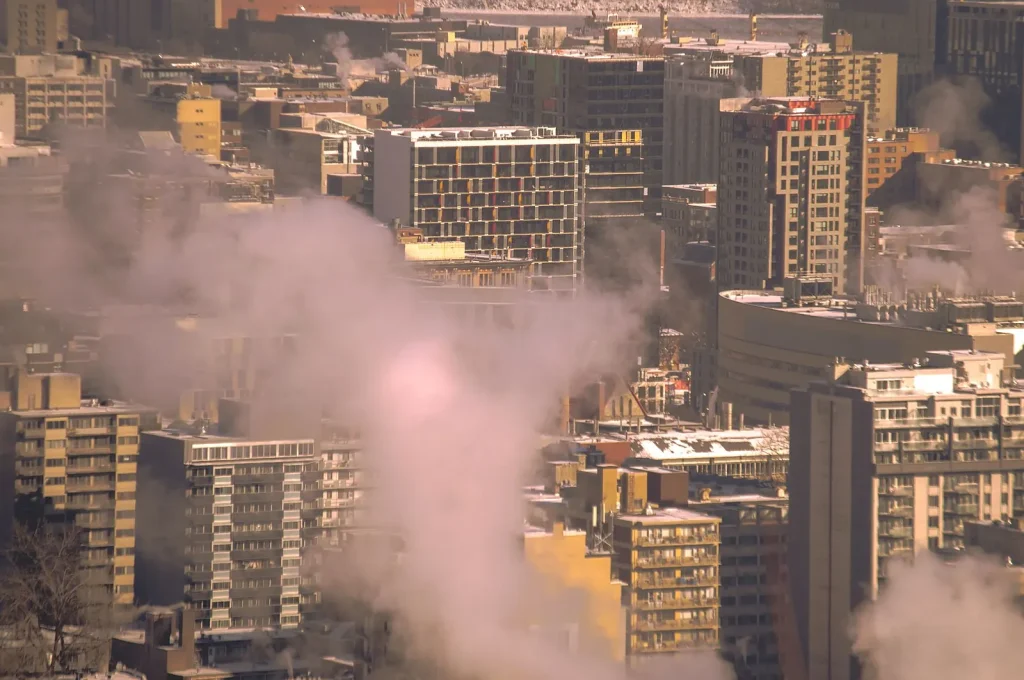
Eindhoven experiences up to 20°C temperature variance, highlighting the need for urban greening to combat heat islands.
Eindhoven, a key city in the southern Netherlands, is experiencing significant temperature differences within its urban landscape. This disparity highlights the effects of urban heat islands, where densely built areas become significantly warmer than their greener counterparts.
Eindhoven Temperature Differences and Urban Heat
The phenomenon of urban heat islands is not new, but recent measurements in Eindhoven have brought it into sharp focus. Areas with abundant greenery, such as parks and tree-lined streets, are consistently cooler compared to more concrete-heavy zones. This difference can be significant, according to recent data.
These findings shows the importance of vegetation in moderating urban temperatures. Green spaces not only provide shade but also help cool the air through processes like evapotranspiration. The temperature variance in Eindhoven serves as a potent reminder of the benefits of sustainable urban planning.
Plans for Urban Greening
The city of Eindhoven is taking steps to address these temperature discrepancies. Officials have initiated a project to increase green areas within the city. So far, 90 streets have been transformed with additional greenery, and plans are underway to enhance another 50 streets in the coming years. This initiative is part of a broader strategy to combat the effects of urban heat islands.
City planners are optimistic that these changes will help mitigate the impact of extreme temperatures and improve the overall quality of life for residents. The emphasis is on creating more parks, planting trees, and integrating green roofs and walls into new and existing buildings.
According to a city spokesperson, “The aim is to create a more sustainable and livable environment for everyone. Increasing green spaces is a crucial step in achieving this goal.”
Impact and Future Prospects
Eindhoven’s approach to tackling urban heat islands is being closely watched by other cities facing similar challenges. The success of these initiatives could serve as a model for sustainable urban development across the Netherlands and beyond.
As climate change continues to impact global weather patterns, cities must adapt to increasingly frequent and severe heatwaves. By prioritizing urban greening, Eindhoven is not only addressing current temperature issues but also preparing for future climate resilience.
Experts believe that these efforts will also contribute to improved air quality, increased biodiversity, and enhanced mental well-being for the city’s residents. The integration of green spaces into urban planning is seen as a vital component of creating healthier and more sustainable cities.
Eindhoven’s initiative to address urban temperature differences through increased greenery is a proactive step towards combating the effects of climate change. As the city continues to implement its plans, it sets a precedent for other urban areas to follow in creating sustainable and livable environments.