Hondius passengers face six-week quarantine after hantavirus cases
Hondius quarantine measures are now in force after three people, including a Dutch couple, died from the Andes hantavirus variant found aboard the cruise ship.

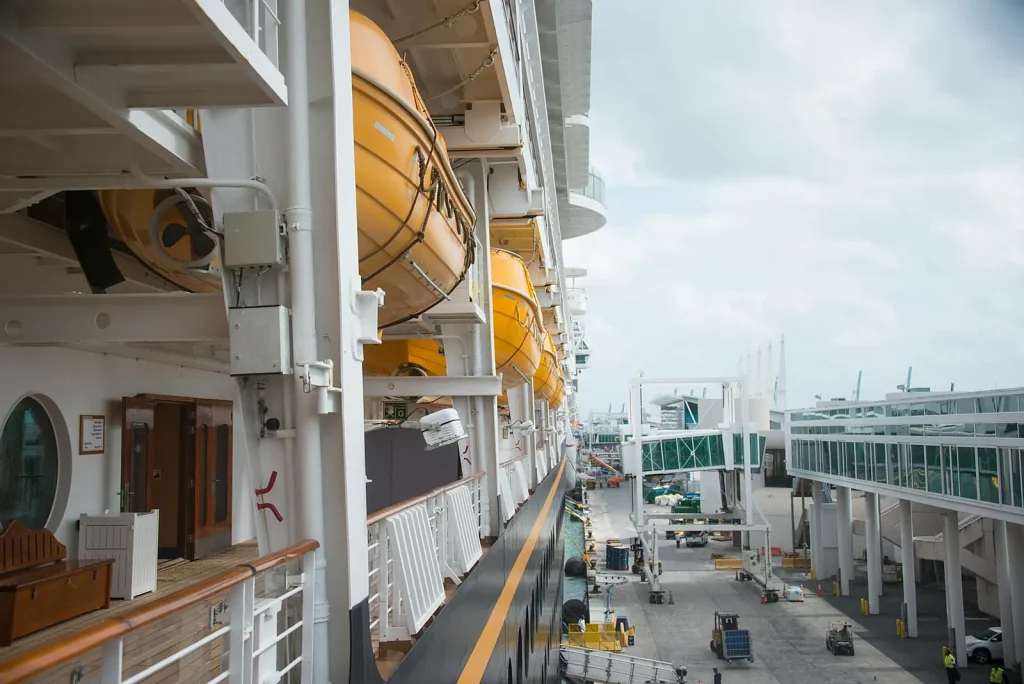
Dutch passengers and crew from the cruise ship Hondius face six weeks of home quarantine after three people died from the Andes hantavirus variant.
Hondius quarantine measures have been formally confirmed by Dutch health authorities, requiring all passengers and crew members aboard the cruise ship Hondius to undergo a six-week period of home isolation following the detection of the Andes variant of the hantavirus on board. The announcement marks one of the most serious public health responses involving a Dutch vessel in recent memory, and it underscores the global reach of rare infectious diseases that traditionally emerge in specific geographic regions.
Three individuals have lost their lives as a result of the outbreak, including a Dutch couple who were among the ship’s passengers. Their deaths have prompted immediate and coordinated action between Dutch and Spanish authorities, given that the vessel is currently docking in Tenerife, one of Spain’s Canary Islands and a popular port of call for European cruise routes.
As of the time of writing, no other passengers or crew members aboard the Hondius are displaying visible symptoms of infection. However, health officials stress that the absence of symptoms does not eliminate the possibility of transmission, since the Andes hantavirus variant has an incubation period that can span several weeks.
Hondius Quarantine Measures and Cross-Border Coordination
The Hondius quarantine measures represent a clear example of international cooperation in public health management. Dutch health ministers have worked closely with their Spanish counterparts to establish a protocol that ensures all individuals who were on board are monitored effectively, regardless of where they disembark or choose to return home. Spanish health authorities in Tenerife are continuing surveillance activities at the port and are prepared to intervene should any new cases emerge.
The Dutch government has emphasized that home quarantine rather than institutional isolation was chosen as the primary containment strategy, partly because the virus is not known to spread easily from person to person under normal indoor conditions, with the notable exception of the Andes variant, which has been documented in rare cases to transmit between humans. This distinction makes the Andes variant particularly concerning among the broader family of hantaviruses and was a key factor in the decision to impose the unusually long six-week quarantine window.
Passengers who have already returned to the Netherlands are expected to remain at their home addresses and report any emerging symptoms, such as fever, muscle aches, or respiratory difficulties, to their general practitioners immediately. Dutch public health services, coordinated through the national infrastructure overseen by agencies such as the Ministry of Health, Welfare and Sport, are responsible for following up with affected individuals throughout the isolation period.
What Is the Andes Hantavirus and Why Does It Matter?
The Andes hantavirus is a strain that originates primarily in South America, particularly in Argentina and Chile, where it is typically transmitted to humans through contact with infected rodents or their droppings. What sets the Andes variant apart from other strains, and from most other hantaviruses globally, is its documented capacity for human-to-human transmission, a characteristic that is extremely rare within this virus family.
Hantavirus Pulmonary Syndrome, the severe respiratory illness associated with certain hantavirus strains including the Andes variant, carries a significant fatality rate. Early symptoms often resemble those of influenza, which can delay diagnosis and complicate containment efforts. For more background on the virus family and its clinical profile, the Andes orthohantavirus entry on Wikipedia provides a detailed overview of its epidemiology and transmission history.
Health experts note that the presence of the Andes variant on a European cruise ship is highly unusual. The investigation into how the individuals contracted the virus, and where exactly the exposure occurred during the voyage, is ongoing. Authorities have not yet publicly confirmed the precise route of infection, though the ship’s travel itinerary, which likely included stops in or near South American ports, is under close review.
The Hondius is an expedition-style cruise vessel that frequently operates in remote polar and sub-polar regions, as well as coastal South American routes. This type of itinerary brings passengers into closer contact with natural environments and wildlife habitats than standard leisure cruises, potentially increasing exposure risk to zoonotic diseases.
Dutch health authorities have urged calm among the general public, stressing that the risk of wider community transmission in the Netherlands remains very low. The measures now in place are described as precautionary but necessary, and officials are committed to providing regular updates as the situation develops. Anyone who believes they may have had contact with individuals from the Hondius and is experiencing symptoms is advised to contact their doctor without delay.
The case has reignited broader conversations in the Netherlands about preparedness for rare but serious infectious diseases that originate overseas and arrive via international travel. Public health infrastructure, including contact tracing and isolation protocols, continues to be tested by such events, and officials say the current response demonstrates the system’s capacity to act swiftly when lives are at risk.