Kabuga’s death shakes international justice after 25 years
Kabuga's death in The Hague marks a significant moment in international justice, highlighting challenges in holding genocide perpetrators accountable.

Félicien Kabuga, a key figure in the Rwandan genocide, has died in The Hague, marking a pivotal moment in the pursuit of justice.
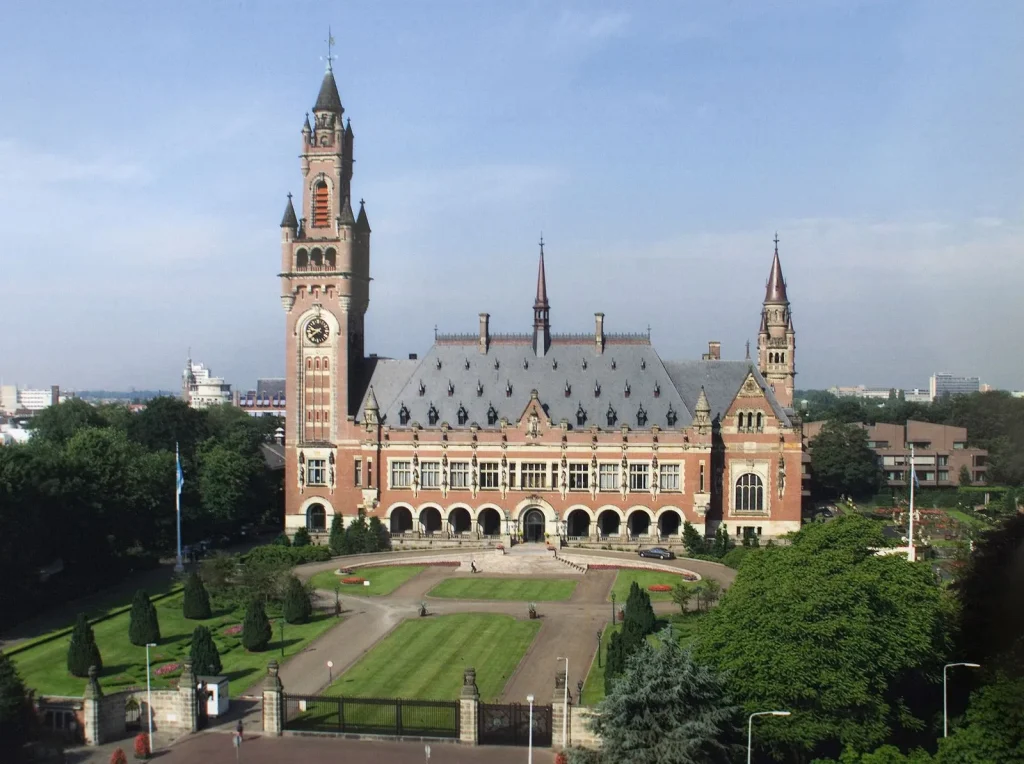
Kabuga’s death in the Dutch city of The Hague marks a significant moment in international justice. Rwandan genocide suspect Félicien Kabuga passed away at a hospital in the city. This event underscores the complex pursuit of accountability for historical atrocities.
Kabuga was one of the most wanted fugitives linked to the 1994 Rwandan genocide. He was accused of financing and promoting the mass killings that resulted in the deaths of hundreds of thousands. His arrest near Paris in 2020, after 25 years on the run, was a major breakthrough in international efforts to bring justice to the victims.
Kabuga’s Death and Its Implications
The death of Kabuga, who was 90 years old, closes a significant chapter in the global quest for justice. His trial was ongoing at the International Residual Mechanism for Criminal Tribunals in The Hague, where he faced charges of genocide and crimes against humanity. The proceedings were a crucial step in addressing the heinous acts committed during the genocide.
The pursuit of Kabuga exemplifies the challenges faced by international justice systems. For decades, he managed to evade capture by using a network of supporters and false identities. His eventual arrest was a testament to the persistence of international law enforcement and judicial cooperation.
Reflection on International Justice
Kabuga’s case highlights both the successes and limitations of international justice. On one hand, his capture and trial demonstrated the commitment of global institutions to hold perpetrators accountable, regardless of time elapsed. On the other hand, his death before a verdict could be reached raises questions about the efficiency and timeliness of international judicial processes.
Moreover, the case of Kabuga serves as a reminder of the ongoing need for vigilance and cooperation in tracking down individuals responsible for war crimes and genocide. The international community must continue to support mechanisms that ensure justice for victims and prevent future atrocities.
His death also prompts reflection on the impact of such trials on survivors and victims’ families. While some may feel a sense of closure, others may be left with unresolved questions and a lingering sense of injustice due to the absence of a final judgment.
For more information on the Rwandan genocide and international justice efforts, visit Rijksoverheid and United Nations.