Markuszower collaboration controversy shakes Dutch politics
Markuszower collaboration controversy highlights tensions in Dutch politics over asylum and integration, drawing criticism from opposition.

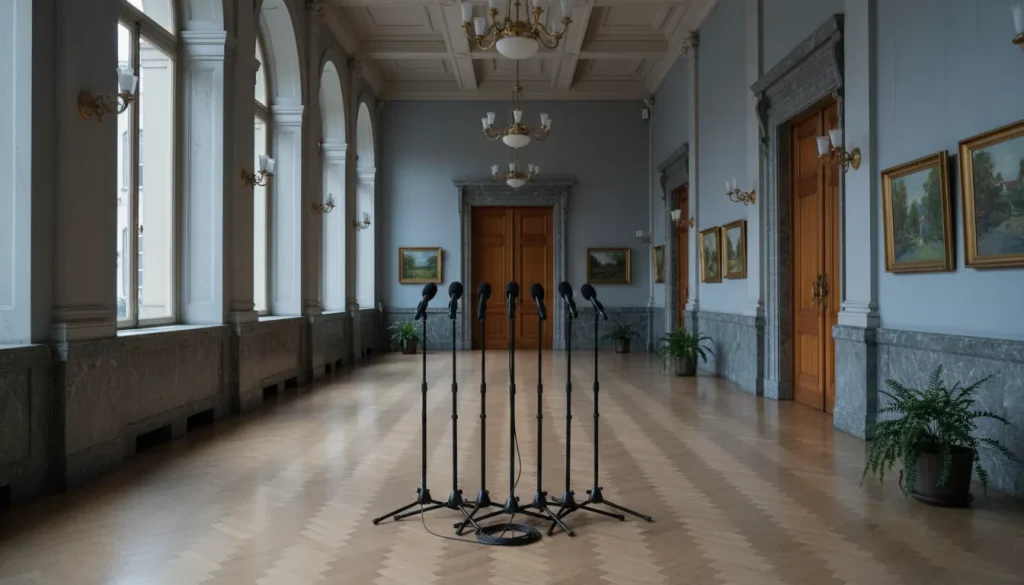
Potential cooperation with Groep Markuszower raises tensions over asylum and integration issues.
The potential collaboration with Groep Markuszower has sparked a controversy in Dutch politics. Coalition parties D66, VVD, and CDA are considering working with the party on specific issues in the Tweede Kamer, the Dutch House of Representatives. This possibility arises despite the controversial remarks made by Markuszower, a member of parliament, on violence against Palestinian asylum seekers.
During a recent debate, Sigrid Kaag, the leader of D66, described Markuszower’s comments as “abject, absurd, and dangerous.” The remarks have drawn widespread criticism, especially from opposition parties including SP, Denk, PvdD, Volt, and GL-PvdA. These parties have questioned the coalition’s intentions, expressing concerns about the government’s stance on integration and asylum issues.
Controversial Remarks and Political Reactions
Markuszower’s comments have been at the center of this political storm. His statements concerning violence against Palestinian asylum seekers have been labeled inflammatory. As a result, many politicians and citizens alike have voiced their disapproval. The potential collaboration with his party, Groep Markuszower, has only intensified these concerns.
Despite the controversy, coalition parties have not entirely ruled out occasional cooperation with Groep Markuszower. This has led to intense debates within the political sphere. The coalition’s openness to collaboration, even without a formal alliance, suggests a pragmatic approach to navigating the complexities of Dutch politics.
Jesse Klaver, leader of GroenLinks (GL), expressed his concerns during a recent parliamentary session. He remarked, “Aligning with a party that holds such views sends the wrong message about our values on asylum and integration.” Meanwhile, other opposition leaders echoed similar sentiments, urging the coalition to reconsider its stance.
Impact on Asylum and Integration Policies
Asylum and integration remain sensitive topics in the Netherlands. The potential collaboration with Groep Markuszower could have significant implications for how these issues are addressed. Critics argue that working with a party known for controversial views might undermine efforts to foster inclusivity and tolerance.
The coalition’s consideration of this collaboration reflects broader tensions within Dutch society. On one hand, there is a need to address practical governance issues. On the other, there is a moral imperative to uphold values of human rights and non-discrimination.
Markuszower’s stance on asylum seekers has been particularly divisive. His comments have raised questions about the coalition’s priorities and the message it sends to the international community. The debate continues to unfold, with no clear resolution in sight.
Meanwhile, opposition parties are leveraging this controversy to challenge the coalition’s policies. They argue that any collaboration with Groep Markuszower could compromise the Netherlands’ reputation as a progressive and inclusive nation.
What Happens Next?
As the debate intensifies, all eyes are on the coalition to see how it will handle these turbulent waters. The potential collaboration with Groep Markuszower will likely remain a contentious issue. As discussions continue, the coalition will need to balance political pragmatism with ethical considerations.
In the coming weeks, further debates and discussions are expected in the Tweede Kamer. These will likely focus on the implications of such a collaboration for Dutch society. The coalition will need to communicate its stance clearly, both to reassure its supporters and to address the concerns of its critics.
Ultimately, the outcome of this controversy could shape the future of Dutch politics. Asylum and integration policies will remain at the forefront of political discourse, with all parties seeking to define their positions in this evolving landscape.
For more information on Dutch politics, visit the Parlement.com and the Rijksoverheid websites.