Goat Farm Housing Policy Enforces 500-Meter Buffer Rule
The Dutch government enforces a 500-meter buffer between new goat farms and housing to reduce infection risks.

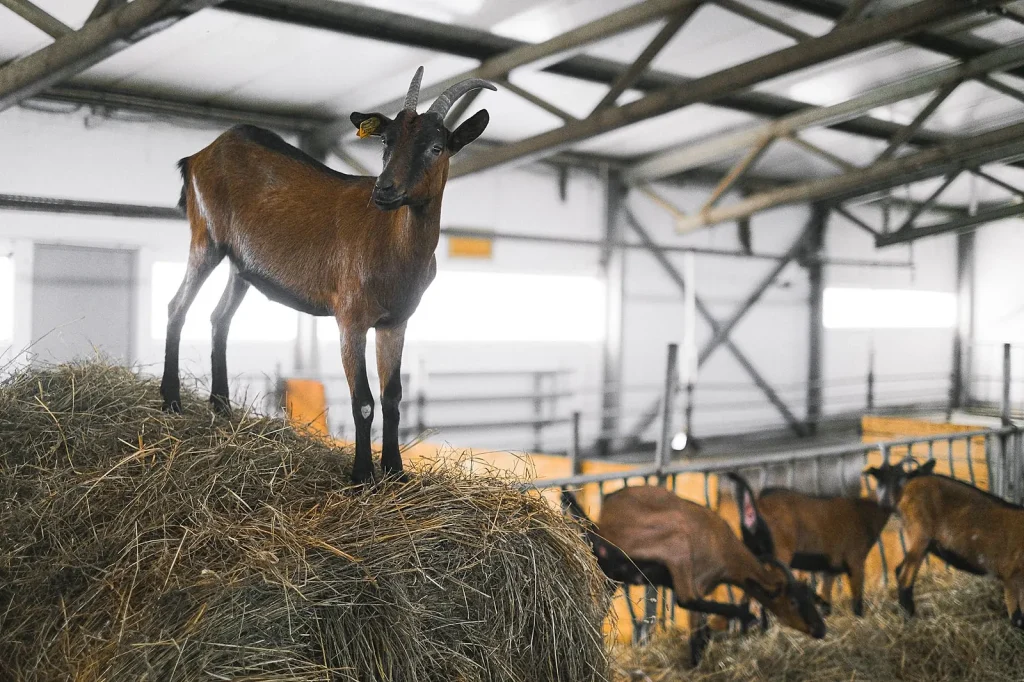
Dutch government introduces a 500-meter buffer to protect residents from health risks linked to goat farms.
The Dutch government has introduced a new policy aimed at safeguarding public health by restricting the establishment and expansion of goat farms near residential areas. The measure, which sets a 500-meter buffer between new goat farms and homes, addresses concerns about air quality and potential infection risks.
Health Concerns Drive New Policy
The decision to implement this policy comes after more than a decade of research highlighting a correlation between proximity to goat farms and an increased risk of lung infections. The policy is set to take full effect within three years.
Existing goat farms situated within the 500-meter radius will not be allowed to expand, ensuring that residential areas are protected from further encroachment. This decision reflects growing concerns about the environmental impact of agricultural activities on public health. While the exact mechanisms of these health risks remain debated, the government is committed to precautionary measures.
Background and Scientific Debate
The policy is rooted in studies conducted over the past decade, which have consistently pointed to a link between goat farms and respiratory issues in nearby populations. Although there is scientific debate about the specific causes, the government has chosen to err on the side of caution by implementing these restrictions. The policy aligns with broader efforts to address environmental health risks in the Netherlands.
In recent years, the Dutch government has been proactive in addressing various environmental health concerns. This new regulation is part of a series of measures aimed at ensuring the well-being of residents in rural and suburban areas. The policy highlights the balance between agricultural development and public health priorities.
What Happens Next
As the policy is rolled out over the next three years, local authorities will be responsible for enforcing the 500-meter restriction. The government plans to support affected farmers through this transition, potentially offering guidance on alternative farming practices or relocation options.
Residents living near existing goat farms can expect to see no further expansion, providing reassurance that their health and safety are being prioritized. The policy is also expected to influence future urban planning and agricultural development decisions in the Netherlands.
the Dutch government’s new policy on goat farms and housing reflects a commitment to protecting public health while navigating the complexities of agricultural regulation. By enforcing a 500-meter buffer, the government aims to mitigate health risks and foster a safer living environment for residents.
For more details on the policy and its implications, you can visit the official rijksoverheid website or consult the latest research findings on CBS.