Ringsnake population rises 20% in Dutch conservation success
Ringsnake populations in the Netherlands have risen due to new breeding mounds, marking a conservation success.

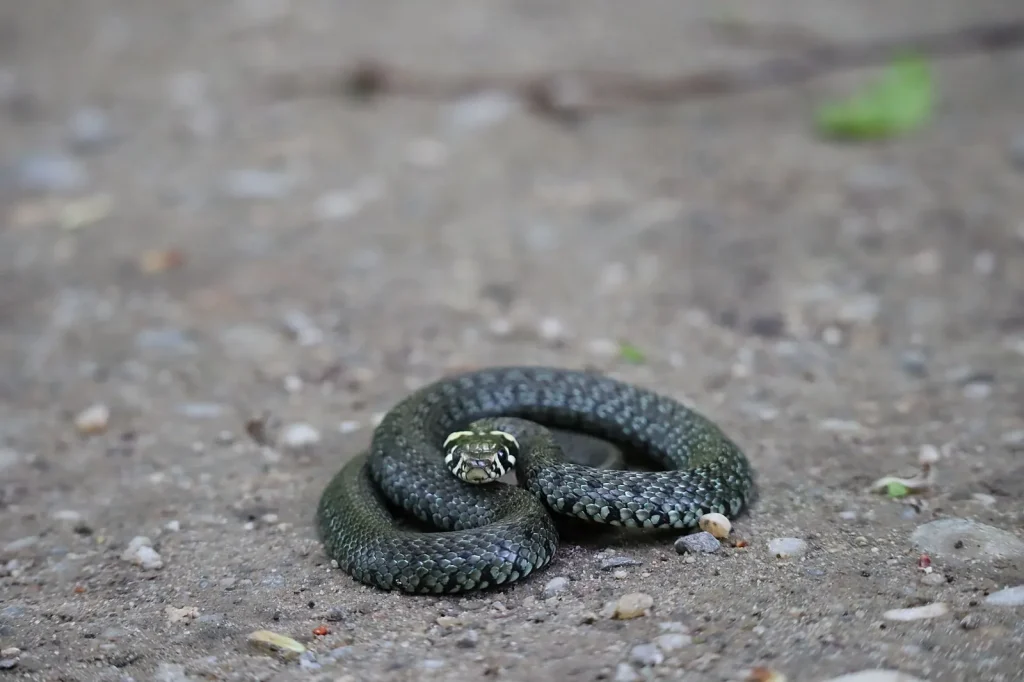
New breeding mounds significantly boost ringsnake numbers, highlighting conservation success.
The ringsnake population in the Netherlands has increased, thanks to new breeding grounds that have been established. These developments are part of broader conservation efforts aimed at enhancing biodiversity and ecological balance in the country.
Ringsnake Population Increase and Conservation Efforts
The rise in ringsnake numbers is attributed to the construction of snake mounds, which provide ideal breeding sites. These mounds have significantly improved reproductive success. Conservationists have worked tirelessly to create environments where these snakes can thrive, and their efforts are paying off.
Ringsnakes, known scientifically as Natrix natrix, are a native species in the Netherlands. They play a crucial role in the ecosystem by controlling pest populations. These snakes are non-venomous and typically feed on amphibians and small fish. The increase in their population is a positive indicator of the health of the ecosystems they inhabit.
Impact on Biodiversity and Ecological Balance
The establishment of snake mounds has not only benefited the ringsnakes but has also contributed to the overall biodiversity in the regions where they are found. By providing a safe environment for ringsnakes to breed, these mounds support the ecological balance, ensuring that various species can coexist.
In addition to benefiting the ringsnakes, these conservation measures have ripple effects across the ecosystem. Healthy snake populations help regulate the populations of their prey, such as frogs and small mammals, thus maintaining a balanced food web.
The Future of Ringsnake Conservation
Looking ahead, conservationists are optimistic about the continued growth of the ringsnake population. They plan to expand the number of breeding mounds and monitor the impact on local ecosystems. These efforts are part of a broader strategy to enhance biodiversity and ensure the sustainability of the Netherlands’ natural habitats.
The success story of the ringsnake is a reminder of what can be achieved through dedicated conservation efforts. It serves as an example for other regions seeking to preserve their native wildlife and maintain ecological balance.
For more information on these conservation efforts, visit the Rijkswaterstaat website or the Nature Today portal.