Sprinkler Ban in Western Netherlands Threatens 150 Growers
The sprinkler ban in Western Netherlands threatens growers with significant financial losses as water scarcity impacts the horticultural sector.

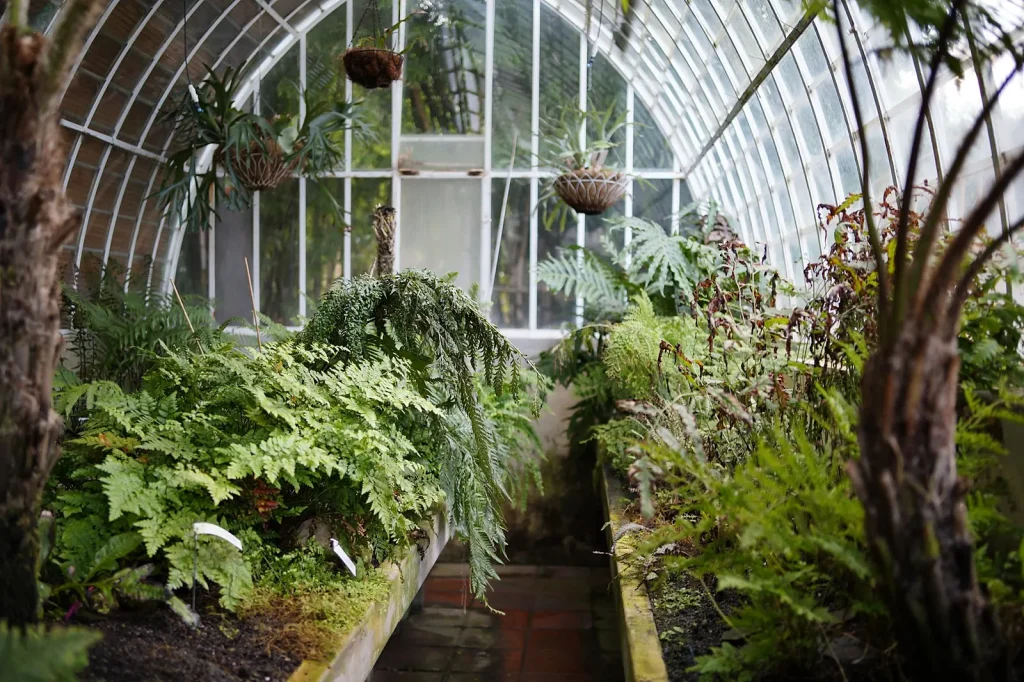
Water restrictions in Western Netherlands could lead to severe financial impacts for greenhouse growers.
The recent implementation of a sprinkler ban in the Western Netherlands is raising alarms within the horticultural sector. This ban is a response to ongoing water scarcity in the region. As a result, many greenhouse growers are now at risk of facing substantial financial losses.
According to Glastuinbouw Nederland, the organization representing Dutch greenhouse horticulture, the situation is dire. Many growers rely on surface water for their operations, and the restrictions have cut off a vital resource. Without adequate water supplies, the ability to sustain plant health and productivity is severely compromised.
Impact of the Sprinkler Ban
The sprinkler ban affects a large swath of the Western Netherlands, including key agricultural areas. The restrictions prevent the use of surface water for irrigation, a crucial component for many greenhouse operations. With water reserves dwindling, growers are scrambling to find alternative solutions.
Glastuinbouw Nederland has expressed concerns about the economic fallout. “Without access to necessary water supplies, our growers face an rare challenge,” the organization stated. The financial stability of many businesses hangs in the balance.
The ban is compounded by the already challenging conditions created by prolonged dry weather. These factors together threaten to disrupt the production cycle, impacting not only growers but also the supply chain that depends on their output.
Seeking Solutions
The urgency of the situation has prompted growers and industry leaders to seek immediate solutions. Options being considered include the use of alternative water sources, such as groundwater or rainwater, though these come with their own logistical challenges.
Glastuinbouw Nederland is also advocating for government intervention. It is calling on authorities to consider relief measures or exemptions for critical agricultural sectors. Such measures could help mitigate the impact on the affected growers.
Meanwhile, the broader implications of the ban are becoming evident. The horticultural sector is a significant contributor to the Dutch economy, and disruptions here could ripple through various related industries. The need for sustainable water management solutions has never been more apparent.
Background
The Netherlands has faced increasing challenges related to water management in recent years. Climate change has led to more frequent and severe droughts, putting pressure on both agricultural and urban water use. The current restrictions are part of broader efforts to manage limited water resources responsibly.
Historically, the Dutch have been leaders in water management. However, the current climate conditions are testing even the most strong systems. The horticultural sector, known for its innovation and efficiency, is now at a crossroads.
Glastuinbouw Nederland and other industry stakeholders continue to work towards long-term solutions that balance environmental sustainability with economic viability. The sprinkler ban serves as a stark reminder of the challenges ahead.
What Happens Next
As the situation unfolds, attention is turning to how quickly alternative measures can be implemented. The growers’ ability to adapt will be critical in determining the extent of the financial impact.
Government support and industry collaboration will play essential roles in navigating this crisis. The hope is that through joint efforts, the sector can emerge more resilient and better equipped to handle future challenges.
For now, the focus remains on finding immediate solutions to keep the greenhouses operational. The coming weeks will be crucial as growers assess their options and work to secure their livelihoods in the face of these restrictions.