Tesla safety data claims shake Dutch trust
Tesla provided misleading safety data to RDW, claiming its Full Self Driving system was far safer than human drivers, raising concerns about trust.
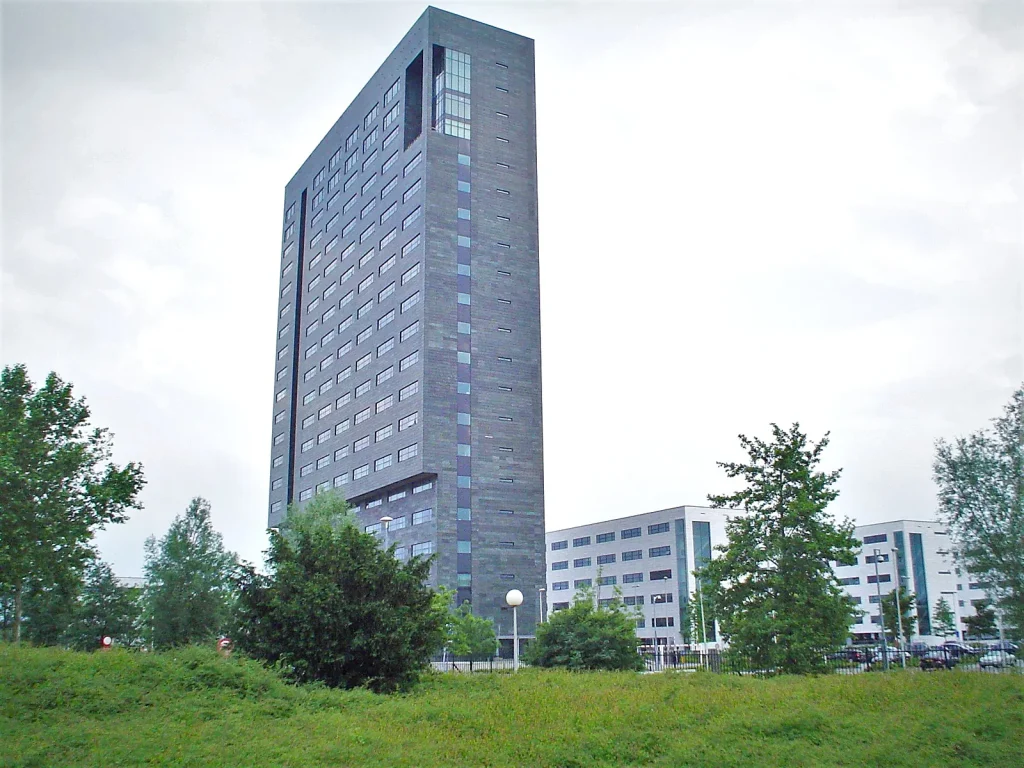
Tesla misled RDW with claims on the safety of its Full Self Driving system, raising questions about the company’s marketing practices.
Tesla, the American electric car manufacturer, is facing scrutiny after providing misleading safety data to the Dutch vehicle authority, Rijksdienst voor het Wegverkeer (RDW). The company claimed that its Full Self Driving system was ten times safer than human drivers. However, investigations revealed that these claims were based on unequal and flawed datasets, raising serious questions about the reliability of Tesla’s marketing practices.
Tesla’s Misleading Claims
The controversy centers around Tesla’s assertion that its Full Self Driving technology significantly surpasses human safety standards. Tesla presented data suggesting that their system was ten times safer than human drivers. However, further analysis showed that the datasets used for these comparisons were not equivalent, leading to misleading conclusions. This revelation has led to concerns about the accuracy and transparency of Tesla’s safety claims.
RDW, responsible for vehicle registration and safety in the Netherlands, relies on accurate data to ensure public safety. The misleading information from Tesla undermines the trust placed in the company by both regulators and the public. A spokesperson from RDW stated, “Ensuring the accuracy of safety data is crucial for public trust in self-driving technology.”
Impact on Public Trust
The incident has sparked a broader discussion about the need for transparency in the automotive industry, especially as self-driving technologies seek wider acceptance. Public trust is essential for the adoption of such technologies, and any misrepresentation can have significant repercussions.
As the European market for autonomous vehicles grows, the accuracy of safety data becomes even more critical. The European market is one of the most stringent when it comes to safety standards, and any deviation can hinder the progress of new technologies. Authorities emphasize that companies must ensure their claims are backed by solid evidence to maintain public confidence.
This situation highlights the challenges regulators face in keeping up with rapidly evolving technologies. The balance between innovation and safety is delicate, and companies like Tesla must adhere to high standards to protect consumers.
Background
Tesla has been at the forefront of developing self-driving technology, with its Full Self Driving system being one of the most advanced on the market. However, this is not the first time Tesla has faced criticism over its safety claims. Previous incidents have also drawn attention to the need for clearer communication and transparency from the company.
As self-driving cars become more prevalent, the accuracy of safety data is top. Companies that fail to provide reliable information risk damaging their reputation and losing consumer trust.
What Happens Next
Moving forward, RDW and other European regulators are likely to increase scrutiny of safety claims made by automotive companies. This could lead to more stringent regulations and oversight, ensuring that public safety remains a priority.
Tesla may need to revise its marketing practices and ensure that all claims are thoroughly vetted before being presented. The company has not yet commented on the investigation, but it is expected to cooperate with authorities to address these concerns.
Ultimately, the outcome of this controversy will likely influence how self-driving technology is perceived and regulated in Europe. Transparency and accuracy will remain key factors in gaining public trust and advancing the adoption of autonomous vehicles.