Solar Eclipse to Cut Dutch Solar Energy Output by 30%
The 2026 solar eclipse is expected to impact solar power generation in the Netherlands, prompting adaptive energy strategies.

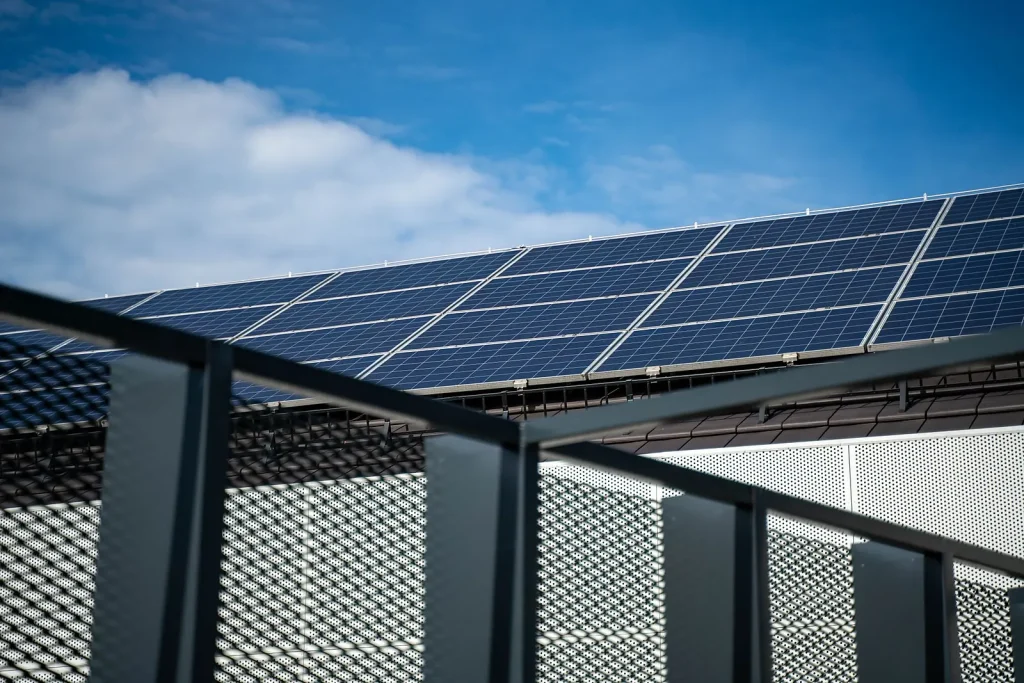
The eclipse’s impact on renewable energy highlights adaptive strategies for sustainable power management.
The solar eclipse on August 12, 2026, is expected to significantly impact solar energy production in the netherlands-2026/”>Netherlands. Experts predict a decrease in solar power output during the event. This phenomenon shows the necessity for adaptive strategies in managing renewable energy resources.
Impact on Solar Energy
The eclipse will cast a temporary shadow over solar panels, reducing their efficiency. According to the Dutch national weather service, KNMI, the eclipse will last approximately two hours, with peak obscuration occurring around noon. During this time, solar power generation is expected to drop considerably, affecting both domestic and commercial energy users.
Preparations and Adaptive Strategies
Energy providers across the Netherlands have been working to mitigate the potential disruptions caused by the eclipse. Utilities have ramped up production from alternative sources such as wind and bioenergy. Additionally, energy storage systems will be utilized to balance the grid during the eclipse.
These proactive measures highlight the importance of flexibility in the renewable energy sector. As the Netherlands continues to increase its reliance on solar power, events like this eclipse serve as a reminder of the need for comprehensive energy management strategies.
Background
The Netherlands has been a leader in the transition to renewable energy, with solar power making up a significant portion of its energy mix. According to CBS, the Dutch national statistics agency, solar energy accounted for about 15% of the country’s total electricity production in 2025. This growth in solar capacity has been driven by government incentives and public investment in green energy.
However, the intermittent nature of solar power poses challenges. Weather events and natural phenomena such as eclipses can temporarily disrupt energy production. Therefore, developing adaptive strategies is crucial for maintaining a stable energy supply.
What Happens Next?
In the aftermath of the eclipse, energy providers will assess the effectiveness of their contingency plans. The insights gained will inform future strategies for managing similar events. Additionally, this experience may prompt further investment in energy storage solutions and grid infrastructure improvements.
The government is expected to review current policies to enhance the resilience of the energy sector. This may include increased support for research and development in renewable energy technologies and infrastructure.
The upcoming solar eclipse serves as a critical test for the Netherlands’ renewable energy infrastructure. By implementing adaptive strategies, the country aims to demonstrate its capability to handle the challenges posed by natural events, ensuring a stable and sustainable energy future.
For more information on solar energy and its role in the Netherlands, visit the Rijksoverheid website and the CBS news page.