Tractor Protest on Highways Criticism After Fatal Crash
A tractor protest on Dutch highways resulted in a fatal accident, sparking criticism of police response and raising questions about protest rights.

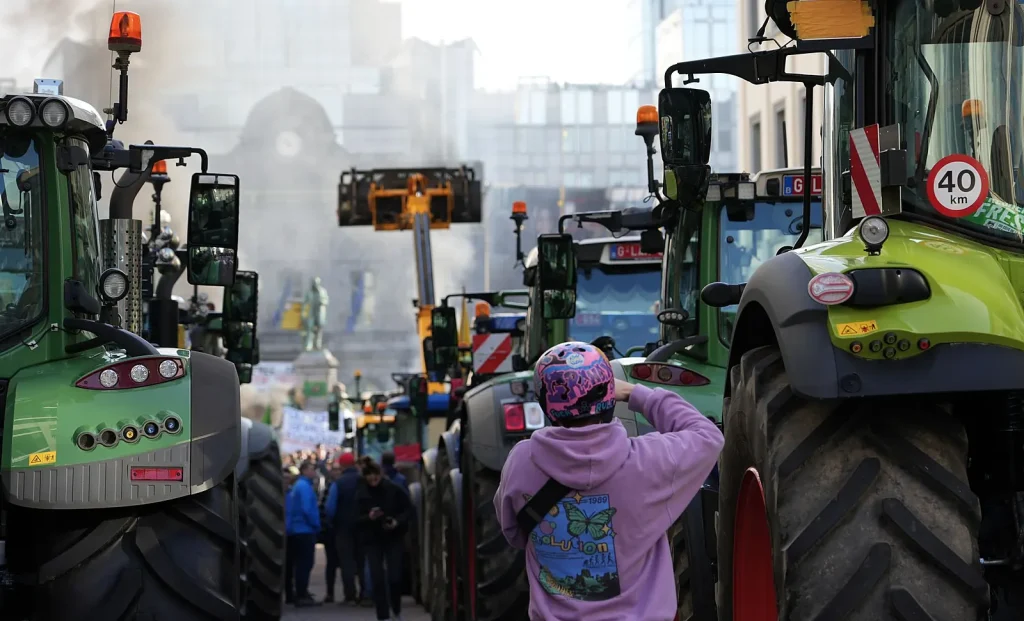
A tractor protest on Dutch highways led to a fatal accident, raising concerns over police response and protest rights.
A large-scale tractor protest on Dutch highways has raised significant concerns after a fatal accident occurred during the demonstration. Hundreds of tractors took to the roads, causing widespread disruption and leading to a tragic incident on the A59 motorway near Den Bosch. The protest, organized by farmers, aimed to voice their discontent with current agricultural policies in the Netherlands.
The police faced criticism for their decision not to intervene and stop the protest. Authorities cited concerns about safety and maintaining public order as reasons for their inaction. The fatal accident, which involved a tractor colliding with a car, has intensified scrutiny of the police’s handling of the situation.
Criticism of Police Response
The protest has drawn backlash from various quarters, including Dutch Prime Minister Rob Jetten. He expressed his dissatisfaction with the police and judicial authorities for their response. Jetten stated, “The safety of our citizens should always be the top priority, and the decision not to act in this case is troubling.” The incident has sparked a debate about the balance between the right to protest and the need to ensure public safety on critical infrastructure like highways.
Many citizens have also voiced their concerns about the disruption caused by the protest. The blockade of major highways not only affected daily commuters but also posed significant risks to emergency services trying to handle the affected routes. The criticism highlights the ongoing tension between the agricultural sector and government policies.
Impact on Agricultural Policy Debate
The protest is part of a broader movement by Dutch farmers who have been increasingly vocal about their dissatisfaction with agricultural policies. These policies, aimed at reducing nitrogen emissions, have been a point of contention for the farming community. Farmers argue that the regulations threaten their livelihoods and unfairly target the agricultural sector.
The tractor protest shows the deep divisions between the government and farmers. While the government emphasizes the need for environmental sustainability, farmers feel they are being disproportionately burdened by the measures. This tension has led to a series of protests over the years, with the recent highway demonstration being one of the most disruptive.
What Happens Next?
In the wake of the protest, there are calls for a comprehensive review of how such demonstrations are managed. Some politicians have urged the government to develop clearer guidelines to ensure that protests do not endanger public safety or disrupt essential services.
The incident on the A59 has also prompted discussions about improving communication between protest organizers and authorities. By working together, both parties can potentially find ways to allow demonstrations to proceed without compromising safety.
As the debate continues, it is clear that finding a balance between protest rights and public safety will remain a challenging issue for the Dutch government. With agriculture being a vital part of the Dutch economy, the resolution of these tensions is crucial for both the farming community and the broader public.
For more information on Dutch agricultural policies and their impact, visit the Rijksoverheid website. Additionally, updates on traffic and public safety measures can be found on the Politie website.