Twente Bans Tractors on Highways After Fatal Protest Accident
Twente bans tractors from highways during protests following a fatal accident, prioritizing public safety over protest rights.

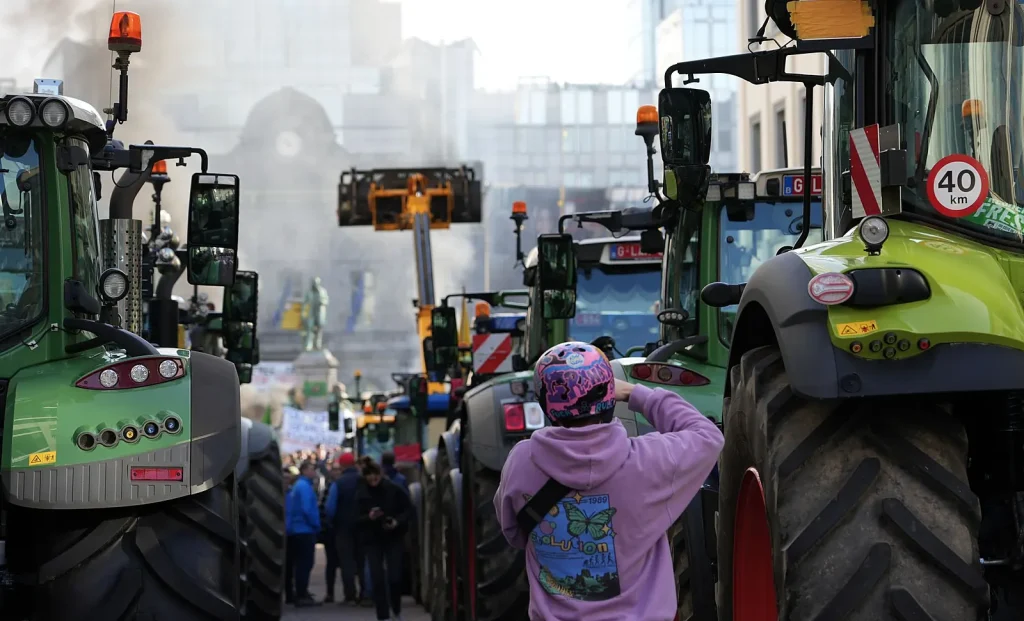
Twente enforces a ban on tractors during protests after a tragic accident on the A59.
The region of Twente has implemented a significant new restriction: tractors are now banned from highways during protests. This decision follows a tragic event on the A59 motorway, where a protest involving tractors led to a fatal accident. Two elderly individuals lost their lives in this crash, prompting local authorities to take swift action to prevent future incidents.
Focus on Safety
Roelof Bleker, the chairman of Veiligheidsregio Twente, emphasized that public safety takes precedence over the right to protest. “Safety is our top priority,” Bleker stated, underscoring the importance of preventing accidents like the one on the A59. The decision was reached after a meeting between local mayors, police officials, and the Openbaar Ministerie, who collectively agreed on the need for stricter regulations.
Twente’s new restriction aims to mitigate risks associated with large vehicles on highways during protests. Heavy machinery, such as tractors, poses a significant danger to road users, especially in high-traffic areas. By prohibiting these vehicles, authorities hope to reduce the likelihood of accidents and maintain order on Dutch roads.
Political Support and Criticism
Premier Rob Jetten voiced his support for Twente’s decision, criticizing the use of highways for protests as “unacceptable and dangerous.” Jetten’s comments reflect a growing concern among national leaders about the potential hazards of such demonstrations. His stance highlights a broader debate over balancing civil liberties with the need for public safety.
While some protestors argue that tractors are essential for their demonstrations, the recent accident has shifted public opinion. Many now see the restrictions as a necessary step to protect lives. The tragic event on the A59 has become a key moment in the discussion surrounding protest methods and safety regulations.
Twente’s approach aligns with efforts across the Netherlands to regulate protests more effectively. As authorities grapple with maintaining safety while respecting protest rights, this decision marks a clear stance on prioritizing the former.
Background
The fatal accident on the A59 highlighted the dangers of using heavy vehicles during protests. Tractors, often used in demonstrations by farmers, can cause severe disruptions and pose safety risks. The incident has prompted a reevaluation of protest strategies, focusing on minimizing harm while allowing for freedom of expression.
Previous protests involving tractors have led to road blockages, delays, and accidents, raising concerns about the impact on public safety. The new regulations aim to address these issues, ensuring that demonstrations do not endanger lives or disrupt essential services.
What Happens Next?
Twente’s decision sets a precedent for other regions considering similar measures. As the debate continues, authorities across the Netherlands will likely monitor the effects of this ban closely. If successful, it could lead to broader implementation nationwide.
Farmers and protest organizers will need to adapt their strategies to comply with the new regulations. Alternative methods of demonstration that do not involve heavy machinery may become more prevalent as a result.
Ultimately, the move by Twente reflects a commitment to safeguarding public safety while navigating the complexities of protest rights. As the region moves forward, the balance between these priorities will remain a focal point for both authorities and protestors alike.
For more information, visit the Rijksoverheid website or consult local safety guidelines from Politie.nl.