US removes ocean monitoring system used in climate research
The US is removing an ocean monitoring system used to study the AMOC, a key Atlantic current that influences Europe’s climate.

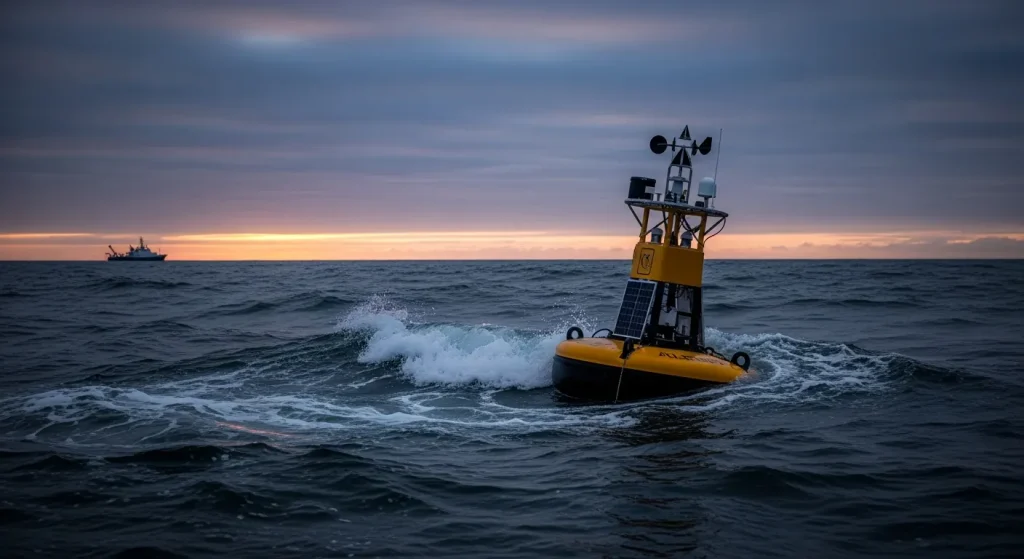
The United States is removing an ocean monitoring system used to study a key Atlantic current.
The system helps scientists track the AMOC, the Atlantic Meridional Overturning Circulation. This current system moves warm water northward and helps shape the climate in Western Europe.
A weaker AMOC could affect sea levels, storms and weather patterns. Scientists have warned for years that climate change may weaken the system, although there is still uncertainty about how fast and how far that process could go.
The monitoring equipment was expected to keep working for another 15 to 20 years. Researchers say long measurement records are important because they allow climate models to be checked against real world data.
The decision has caused concern among climate scientists. Other ocean monitoring systems still exist, but researchers say this specific data series is valuable.
The issue matters for the Netherlands because the country is highly sensitive to climate and water changes. Sea level rise, storm patterns, extreme rain, drought and temperature changes all affect Dutch planning.
The AMOC is sometimes described as part of the Gulf Stream system, though the terms are not exactly the same. What matters is that the Atlantic circulation helps move heat around the ocean. If it changes, Europe’s climate can change too.
Some researchers now hope the European Union will step in to help continue or replace part of the monitoring work. That would fit with a wider European push to invest more in climate science and independent data.
The removal also touches a wider political debate. Climate research depends on long term measurement. If systems are stopped suddenly, future scientists may lose data that cannot be recreated later.
The practical effect will not be visible tomorrow. The sea will not suddenly change because 1 monitoring system is removed. But losing data makes it harder to understand changes that may become important over decades.
For a low lying country like the Netherlands, that knowledge gap matters.