Utrecht Gas Generators Boost Power Amid Grid Strain
Utrecht's power grid will soon see gas generators installed to tackle peak demand and congestion, ensuring stable electricity access.

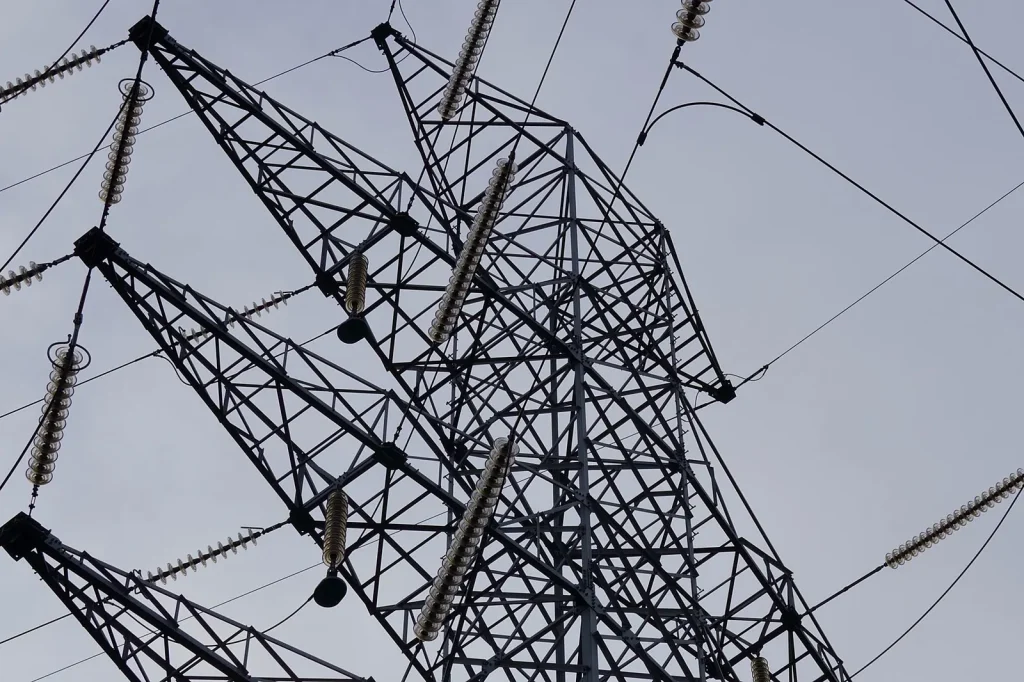
Gas generators to be installed to ease Utrecht’s power grid congestion during high-demand periods, ensuring reliable energy supply.
Utrecht, a bustling city in the Netherlands, is set to receive an energy boost as gas generators are installed to support its power grid. This initiative aims to address the net capacity issues that have plagued the region, particularly during peak demand periods. With the power grid facing significant congestion, the move is crucial to maintaining a reliable energy supply for the residents.
The city has been experiencing overcrowding in its power grid, leading to a suspension of new power connections since July 1. This congestion has been particularly challenging during cold winter days when energy demand spikes. To tackle this issue, the Utrecht region will see the installation of gas generators, which are expected to ease the pressure on the existing infrastructure.
Challenges and Solutions
Stedin, the regional grid operator, is spearheading the project. Aline Arends, Stedin’s operational director, acknowledged the complexity of the decision to implement gas generators. “While it’s a difficult step, it’s necessary due to the ongoing grid congestion,” Arends stated. The decision shows the importance of finding immediate solutions to ensure that the city can continue to provide energy reliably.
These generators will serve as a backup during peak times, helping to stabilize the grid. This is especially important as the city grows and energy demands increase. The installation is set to provide a temporary but effective solution while longer-term strategies are explored.
Impact on the Community
The introduction of gas generators is expected to have a positive impact on the community by ensuring that residents have uninterrupted access to electricity. This is vital not only for everyday activities but also for heating and lighting during the cold months. The move is designed to alleviate the strain on the grid, reducing the risk of outages and ensuring a stable supply of energy.
Utrecht’s residents have expressed concerns over the congestion and its impact on their daily lives. The installation of gas generators is seen as a proactive measure to address these concerns and provide peace of mind to the community.
Stedin has been actively working to manage the grid’s capacity and explore sustainable solutions. The use of gas generators is part of a broader strategy to ensure that energy demands are met without compromising the quality of service.
Looking Ahead
As the city continues to grow, energy demands are expected to rise. Stedin’s initiative to install gas generators is a critical step in addressing immediate needs. However, the company is also looking at long-term solutions to enhance the grid’s capacity sustainably.
Future plans may include the integration of renewable energy sources and the expansion of infrastructure to accommodate the growing population. These measures will be essential in ensuring that Utrecht can meet its energy needs in the years to come.
The installation of gas generators is a temporary solution, but it highlights the urgent need for infrastructure improvements. As Utrecht handle this period of growth and change, the focus will be on balancing immediate needs with sustainable development strategies.
For more information, residents can visit Rijksoverheid to stay updated on developments related to the power grid and energy initiatives in the Netherlands.