Utrecht XR protest ban blocks rail disruptions at station
Utrecht's ban on Extinction Rebellion's protest at Central Station highlights the delicate balance between protest rights and public safety.

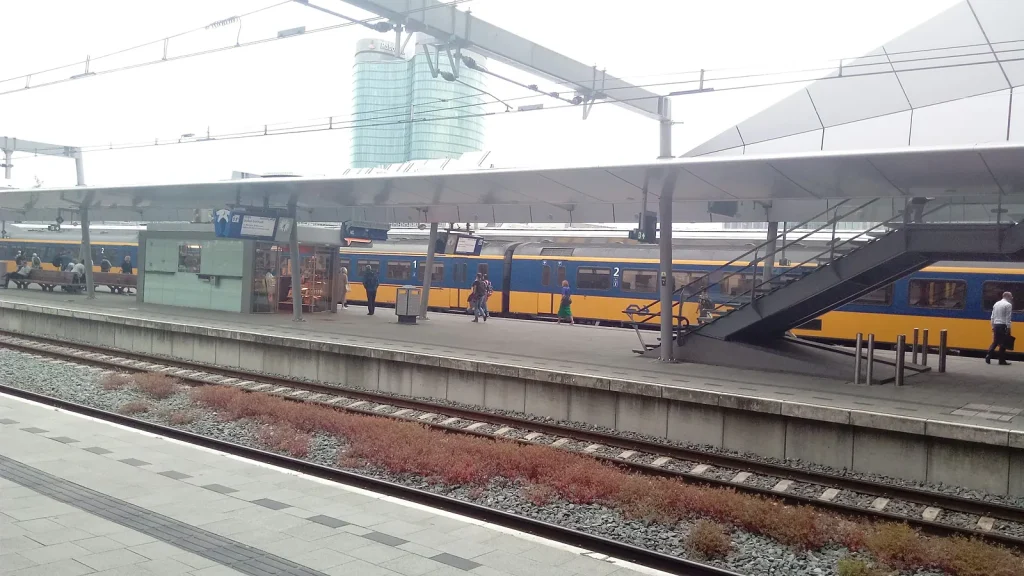
Utrecht bans Extinction Rebellion’s protest at Central Station, citing safety concerns and legal compliance.
The Utrecht XR Protest Ban has stirred discussions about the balance between the right to protest and public safety. The authorities in Utrecht have prohibited a planned protest by Extinction Rebellion at the city’s central station. The decision underscores the challenges of maintaining order in one of the Netherlands’ busiest transport hubs.
Utrecht Central Station is a pivotal point in the Dutch rail network. The protest, aimed at disrupting rail services, prompted concerns from city officials. Mayor Sharon Dijksma, alongside the police and public prosecutor, decided to prohibit the demonstration. They cited potential safety risks and legal violations as primary reasons for the ban.
Why Utrecht Banned the Protest
Mayor Sharon Dijksma explained that while peaceful demonstrations are welcome, actions that interfere with train operations pose significant risks. Such disruptions could endanger commuters and violate public safety regulations. The decision to ban the protest was not taken lightly. Authorities emphasized the importance of lawful protest.
Extinction Rebellion, known for its direct action campaigns, planned the protest to raise awareness about climate change. However, the method of blocking rail traffic was deemed unacceptable by city officials. They stressed that public transport efficiency must be maintained, especially in crucial hubs like Utrecht Central.
Possible Disruptions Despite the Ban
Despite the ban, Extinction Rebellion has announced plans for a sit-in. This could still lead to minor disruptions at the station. Commuters are advised to check updates from NS, the Dutch national rail operator. Any potential delays could impact thousands of daily travelers.
Authorities are prepared to handle any unforeseen disruptions. They urge activists to protest in a manner that does not compromise safety or legality. The police have stated they will monitor the situation closely to ensure public order is maintained.
Utrecht’s decision highlights ongoing challenges in balancing protest rights with public safety needs. The city has a history of supporting peaceful demonstrations. However, actions threatening essential services are scrutinized carefully.
For more information, commuters can visit NS for real-time updates. Additional details on legal protest rights are available on the Dutch government’s website.
As the situation unfolds, Utrecht authorities remain committed to facilitating safe and legal expressions of dissent. They continue to engage with protest groups to find solutions that respect both activism and public order.