Zeppelin Heat Landing Disrupts Dutch Air Research
A research zeppelin conducting air pollution studies over the Netherlands was forced to land due to heat affecting its equipment.

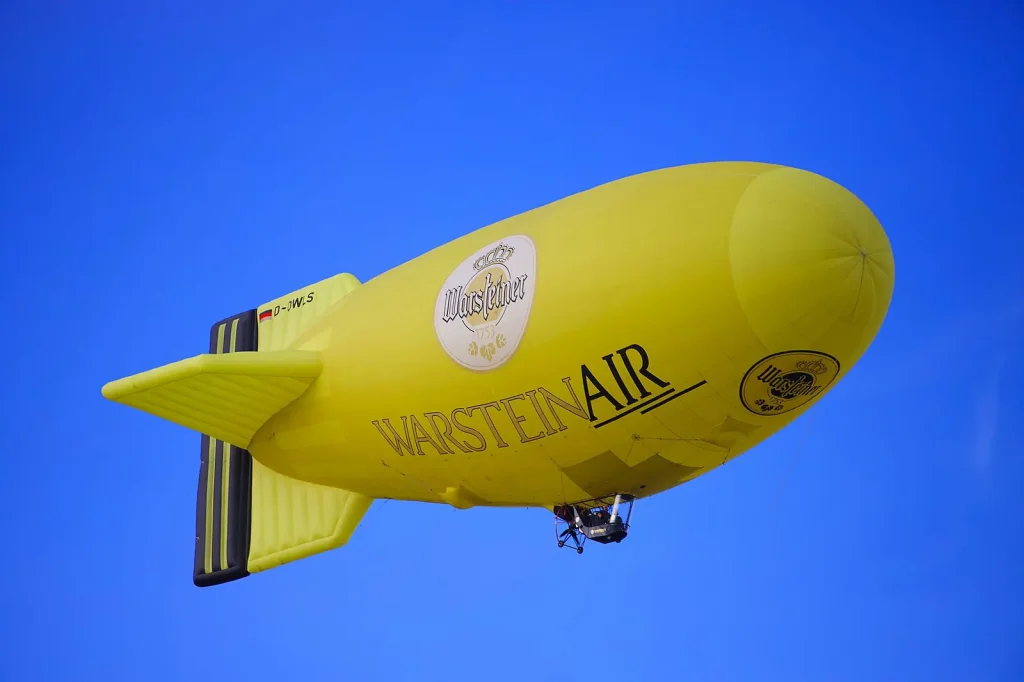
Research zeppelin forced to land in Netherlands due to extreme heat affecting equipment.
A research zeppelin conducting air pollution studies was forced to land due to extreme heat. The incident occurred as the 75-meter-long airship, tasked with measuring emissions and CO2 levels, faced equipment failures over the Veluwe region in the Netherlands.
Zeppelin Heat Landing Disrupts Research
The zeppelin, which departed from Essen, Germany, was on a mission to gather crucial data on air quality. It was scheduled to fly over major Dutch cities such as Arnhem, Kootwijk, and Utrecht. However, as temperatures soared, critical measurement equipment began to malfunction, prompting the crew to abort the mission.
Researchers from Wageningen University & Research, a renowned Dutch institution, were part of the project. They aimed to collect data that could provide insights into pollution patterns and help address environmental challenges. Despite the setback, the team managed to gather some useful data before the equipment failed.
Challenges in Extreme Weather
The incident highlights the growing challenge of conducting scientific research in extreme weather conditions. As climate change leads to more frequent heatwaves, researchers face increasing difficulties in maintaining the integrity of their equipment and data.
“The extreme heat posed a significant challenge to our mission,” said a spokesperson from Wageningen University & Research. “Despite the early termination, we are analyzing the data collected to extract meaningful insights.”
The zeppelin’s return to Germany was a precautionary measure to prevent further damage to the equipment and ensure the safety of the crew. The mission’s interruption shows the need for innovations in research methodologies to adapt to changing environmental conditions.
According to the KNMI, the Dutch meteorological institute, heatwaves in the region have become more intense and frequent, affecting various sectors, including scientific research.
Implications for Future Research
The event has prompted discussions among the scientific community about the resilience of research equipment in extreme weather. There is a growing call for developing more strong systems that can withstand such conditions without compromising data quality.
Wageningen University & Research plans to review its equipment and protocols to enhance the reliability of future missions. Collaborations with technology developers are expected to play a vital role in overcoming these challenges.
Meanwhile, the data collected during the zeppelin’s shortened journey will be analyzed and shared with relevant stakeholders to inform policy decisions and environmental strategies. The insights gained could contribute to better understanding and managing air pollution in the Netherlands.
This incident serves as a reminder of the complex interplay between scientific research and environmental factors. As researchers continue to grapple with the effects of climate change, innovations in technology and methodology will be crucial in ensuring the success of future missions.
For more information about the ongoing efforts to tackle climate-related challenges, visit the Rijksoverheid website.