Dutch asylum protests stall with small turnouts in 9 cities
Dutch asylum protests occurred in nine cities, with small turnouts. Larger counter-demonstrations in places like Groningen showed support for asylum seekers.

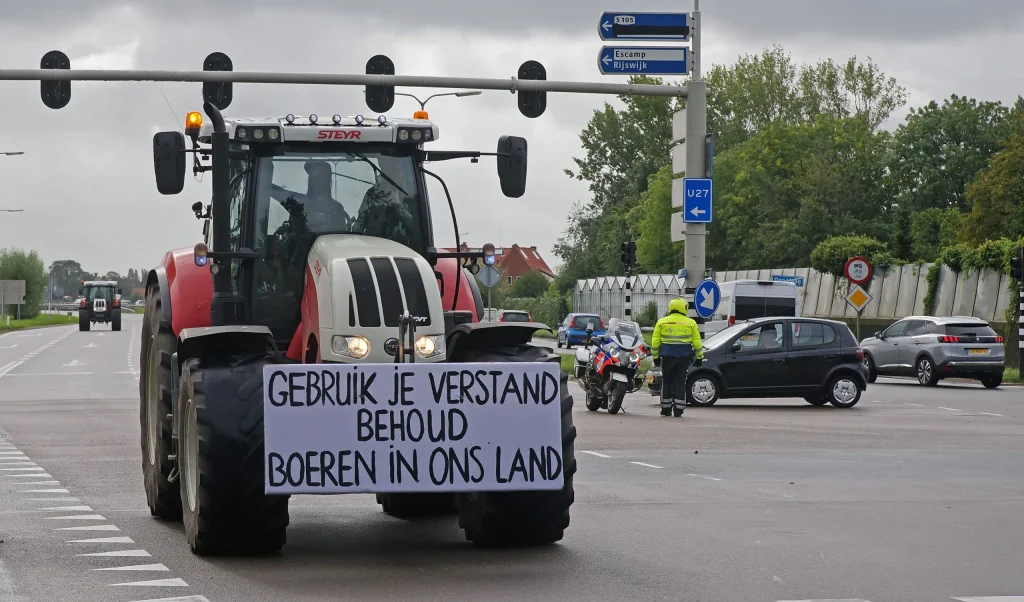
Nationwide protests against asylum policies see small turnouts, larger counter-demonstrations in cities like Groningen.
Protests against the Dutch asylum policy took place across the Netherlands, with small turnouts reported in nine cities. The demonstrations reflect ongoing dissatisfaction with the government’s approach to asylum seekers. Despite the low numbers, these protests add to the persistent public debate on immigration policy.
In cities like the capital Amsterdam, Utrecht, and The Hague (Den Haag), organizers hoped for a massive turnout. However, the numbers fell short of expectations. In contrast, counter-demonstrations in support of asylum seekers drew larger crowds, particularly in the northern city of Groningen and Nijmegen.
Dutch Asylum Protests: Nationwide Impact
Despite the small turnouts, the protests were significant in highlighting the divide in public opinion. The Dutch government’s asylum policy has been a contentious topic, with many citizens calling for more inclusive measures. Meanwhile, others demand stricter controls.
In Groningen, tensions rose briefly when opposing groups came close. Nonetheless, the events remained largely peaceful. This atmosphere was mirrored in other cities, where police maintained a visible presence to ensure safety.
Counter-Demonstrations Show Strong Support
In several locations, counter-demonstrators, advocating for the rights of asylum seekers, outnumbered the initial protesters. This trend was most notable in Nijmegen and Groningen, where supporters of a more open asylum policy made their voices heard.
The counter-demonstrations highlighted that a significant portion of the Dutch population supports asylum seekers. Many believe that the country should uphold its humanitarian responsibilities.
These events underscore the complexity of the asylum debate in the Netherlands. While the protests themselves were smaller than anticipated, they reflect broader societal concerns.
Government policies have been under scrutiny, with calls for reform from both sides of the political spectrum. The protests and counter-demonstrations indicate a need for ongoing dialogue and potential policy adjustments.
For more information on asylum policies, visit Statistics Netherlands.
These demonstrations are part of a larger narrative on immigration and asylum in Europe. As countries grapple with these issues, the Netherlands remains a focal point for both criticism and advocacy.