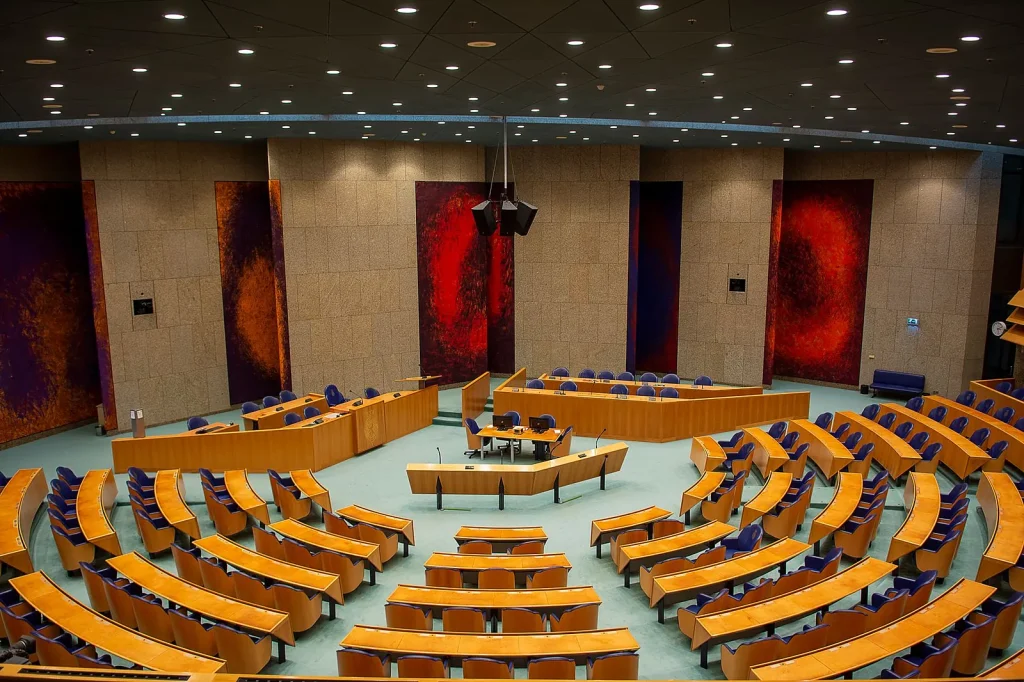
Dutch unions threaten nationwide protests over budget cuts
Dutch unions threaten nationwide protests in response to proposed budget cuts, fearing impacts on public services and employment.

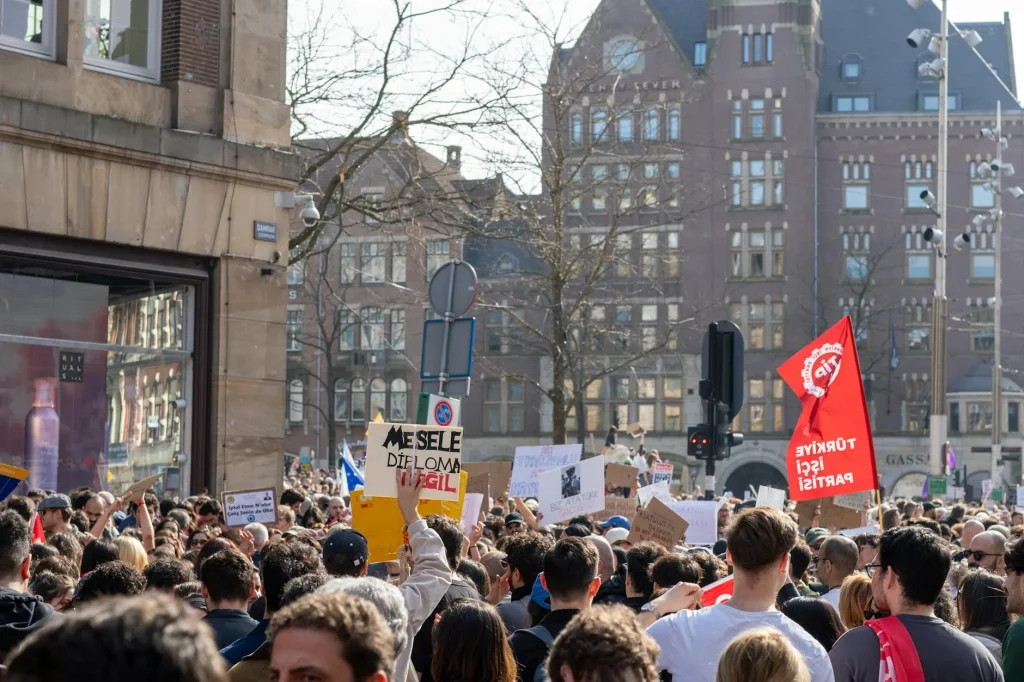
Dutch unions warn of mass protests if government proceeds with budget cuts impacting public services and jobs.
Nationwide protests in the Netherlands are looming as Dutch unions threaten action against proposed government budget cuts. These cuts, unions argue, could severely affect public services and result in significant job losses. With the potential for widespread unrest, the government faces a critical decision on its fiscal strategy.
Union Concerns and Government Proposals
Unions across the Netherlands are mobilizing their members to prepare for protests. The primary concern is that the proposed budget cuts could destabilize essential public services. These include healthcare, education, and public transportation, which are vital to daily life in the country. The unions believe that such measures will not only degrade service quality but also lead to job losses among public sector workers.
The Dutch government is considering these budget cuts as part of a broader strategy to manage national finances. However, the unions argue that the social cost of these cuts could outweigh any fiscal benefits. They emphasize that public services are already operating under strain, and further reductions could be detrimental.
Potential Impact of Nationwide Protests
If the protests proceed, they could disrupt daily life across the Netherlands. Public transportation might come to a halt, schools could close, and healthcare services might be limited. The unions’ call to action highlights the gravity of the situation and the potential for significant public discontent.
Historically, the Netherlands has seen successful union-led protests that have influenced government policy. Therefore, the threat of nationwide protests could be a powerful tool in negotiations. The government must now carefully consider how to proceed without escalating tensions further.
The unions’ strategy involves not only protests but also engaging with the public to raise awareness about the potential impacts of the cuts. They aim to build a broad coalition of support that includes not only union members but also the general public who rely on these services.
Background and Historical Context
Budget cuts are not a new issue in Dutch politics. The country has a history of balancing fiscal responsibility with social welfare. However, the current economic climate, influenced by global uncertainties, has made this balance more challenging. The government argues that cuts are necessary to ensure long-term economic stability.
In the past, similar situations have led to negotiations that resulted in compromises. For instance, in 2012, widespread protests led the government to adjust its austerity measures. This historical context provides a framework for understanding the current tensions.
What Happens Next?
The government is expected to announce its final decision on the budget cuts in the coming weeks. Meanwhile, unions are preparing for potential protests, coordinating with other organizations to maximize their impact. They have also started a campaign to inform the public about the stakes involved.
As the situation develops, both sides will need to navigate carefully to avoid a full-fledged crisis. The government must weigh the benefits of fiscal prudence against the risk of public unrest and the potential damage to vital services.
Ultimately, the outcome will depend on both the government’s willingness to engage in dialogue and the unions’ ability to mobilize support. The coming weeks will be crucial in determining whether the threat of nationwide protests becomes a reality.
For more information on public services in the Netherlands, visit Rijksoverheid. To learn more about the impact of strikes and protests, see Wikipedia.