Climate health threat warns WHO; Dutch emissions at 7%
A WHO report highlights climate change as a major health threat, urging the Netherlands to integrate sustainability into healthcare training.

WHO commission warns of climate change’s impact on health, urging the Netherlands to integrate sustainability into healthcare training.
A World Health Organization (WHO) commission has declared climate change a significant health threat. This recognition underscores the urgent need for policies integrating environmental sustainability into public health frameworks. The report emphasizes the necessity of climate resilience measures and sustainability in healthcare training.
Climate Health Threat and Dutch Emissions
The commission’s findings reveal that the Dutch healthcare system accounts for approximately seven percent of the nation’s carbon emissions. This statistic highlights the sector’s substantial impact on the environment. As the Netherlands grapples with its carbon footprint, the report calls for immediate action to reduce emissions and prepare medical professionals for climate impacts.
Incorporating climate considerations into healthcare training is a central recommendation. By doing so, healthcare professionals can better understand and address the health challenges posed by a changing climate. This integration is crucial for developing effective public health strategies and ensuring resilience against climate-related health issues.
Urgent Call for Action
The WHO commission urges countries, including the Netherlands, to prioritize climate adaptation alongside public health improvements. These initiatives are essential for mitigating long-term risks associated with climate change. By adopting comprehensive strategies, nations can tackle the intertwined challenges of environmental sustainability and public health.
Ernst Kuipers, a prominent figure, highlights the importance of proactive measures. He stresses that without urgent action, the health consequences of climate change could become unmanageable. This call to action is not just about reducing emissions but also about transforming the healthcare sector to be more sustainable.
Moreover, the report points out the need for international cooperation. Climate change is a global issue requiring collaborative solutions. By working together, countries can share knowledge, resources, and strategies to combat the climate health threat effectively.
Background
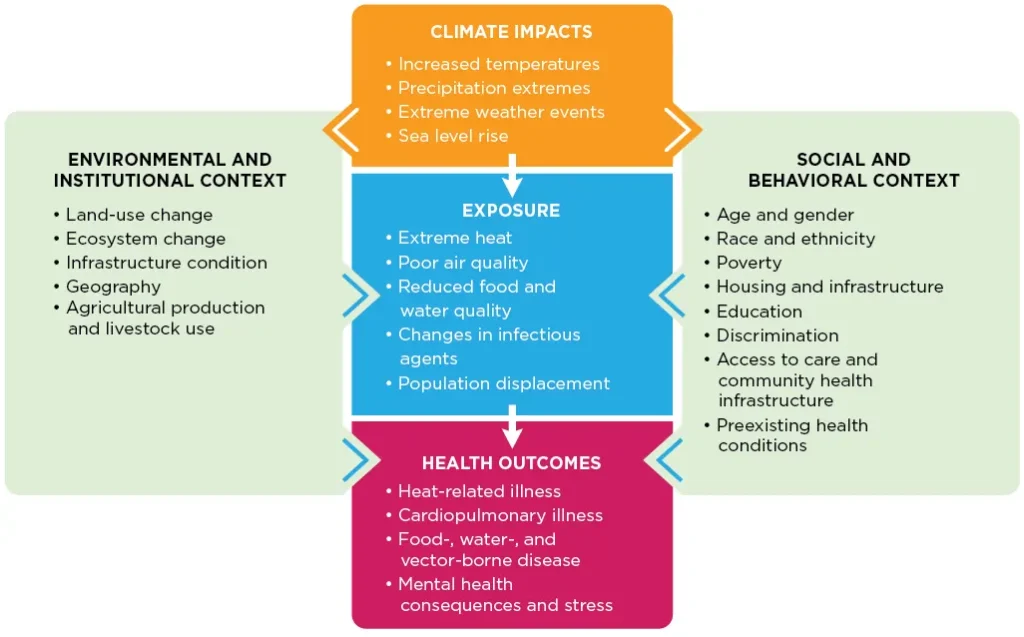
Climate change has long been recognized as a critical environmental issue. However, its impact on health is gaining increasing attention. Rising temperatures, extreme weather events, and shifting disease patterns pose direct and indirect threats to human health. The WHO commission’s report aims to raise awareness and drive policy changes to address these challenges.
The health sector, with its significant carbon footprint, plays a crucial role in climate change. By reducing emissions and adopting sustainable practices, the sector can contribute to broader environmental goals. This transformation requires investment in green technologies and practices that promote both health and environmental benefits.
What Happens Next?
The Netherlands is well-positioned to lead by example in addressing the climate health threat. The nation has already committed to ambitious climate goals, and integrating these into the healthcare sector is a logical next step. Policymakers are urged to consider the WHO report’s recommendations and implement strategies that align with national and global climate objectives.
Educational institutions and healthcare providers are encouraged to incorporate climate resilience into their curriculums and practices. By doing so, they can equip future healthcare professionals with the skills needed to navigate and mitigate climate-related health challenges.
The WHO commission’s report serves as a wake-up call for the Netherlands and the world. It highlights the urgent need for action and the potential consequences of inaction. As the climate health threat looms, the time for decisive and collaborative action is now.
For more information, visit the Dutch government’s official site and the Royal Netherlands Meteorological Institute.