

Electricity Demand Rush: 30% Surge Tests Dutch Grid Capacity
In the Netherlands, a rush for enhanced electrical connections surges as impending regulations loom, testing network capacity.
Published 29 June 2026 · 21:05 CET
2 min read
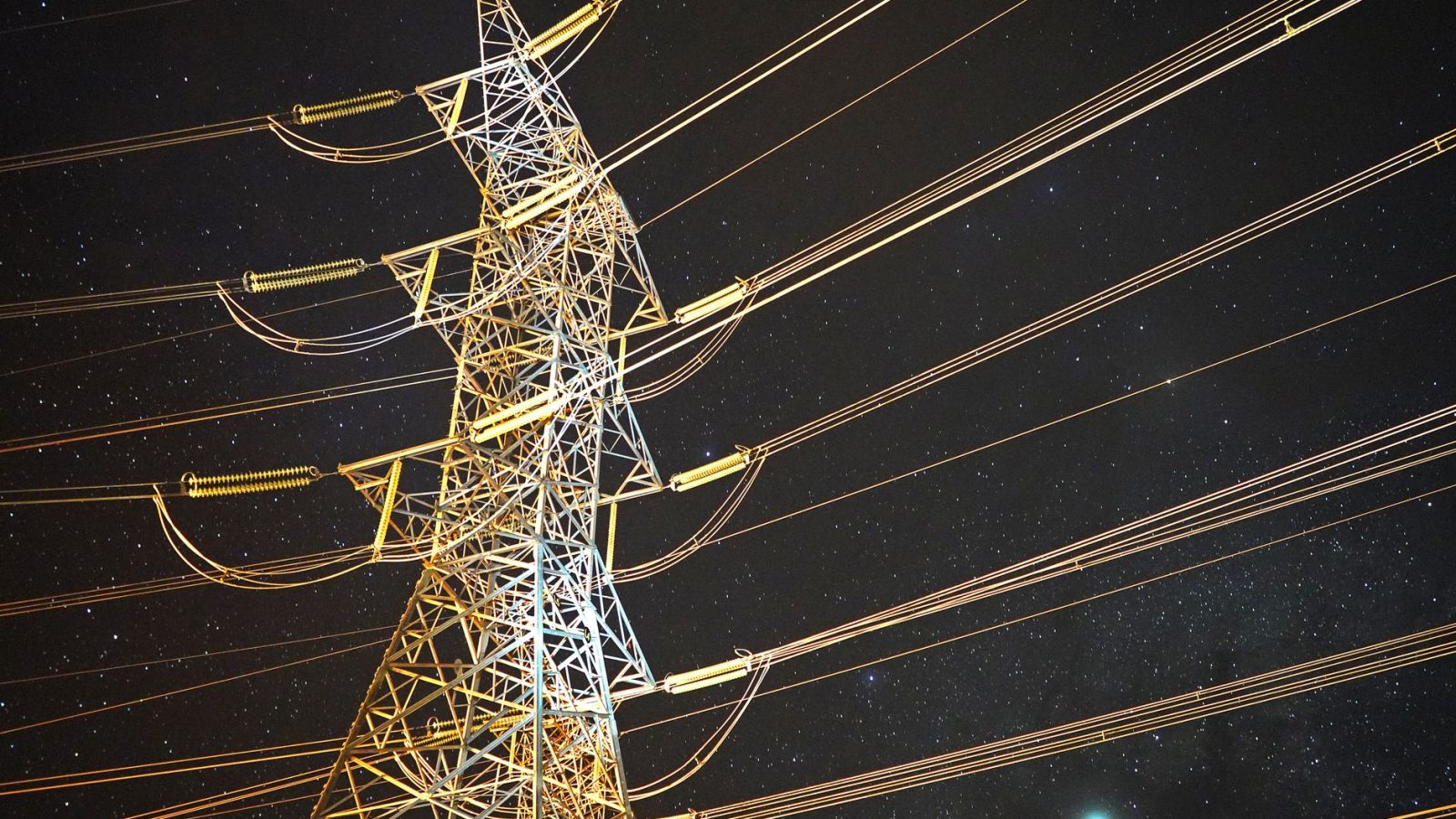
Dutch households race to secure stronger electrical connections as network capacity strains under rising demand.
The Netherlands is witnessing a significant electricity demand rush, with many households seeking stronger electrical connections. This surge is driven by a desire to act before new regulations take effect. The increased demand is putting pressure on the existing network capacity, a reflection of the broader electrification trend.
Surge in Electricity Demand
In recent months, requests for enhanced electrical connections have increased significantly. This increase is largely due to households anticipating regulatory changes that may impose stricter conditions. As more homes transition to electric heating, cooking, and transportation, demand for electricity has climbed sharply.
According to Energie-Nederland, the association representing energy companies, the rush is a proactive move by residents. They aim to future-proof their homes against potential constraints posed by new rules. The current capacity of the electrical grid is being stretched, highlighting the challenges of the country’s energy transition.
Network Capacity Challenges
The Dutch electrical grid is facing capacity issues as electrification continues to rise. With more households and businesses relying on electricity, the existing infrastructure is under pressure. The increased demand highlights the need for further investment in grid expansion and modernization.
Network operators, such as TenneT, the Dutch electricity transmission system operator, are working to address these challenges. However, the rapid pace of electrification means that solutions need to be implemented swiftly to keep up with demand.
Impending Regulatory Changes
The upcoming regulatory changes are a significant factor in the current rush. These changes are expected to introduce more stringent conditions for obtaining enhanced electrical connections. As a result, many households are rushing to secure these connections before the regulations take effect.
A spokesperson from the Ministry of Economic Affairs and Climate Policy confirmed that the new rules aim to ensure a balanced distribution of resources. “The regulations are designed to manage demand effectively while supporting the energy transition,” the spokesperson stated.
Background
The Netherlands has been at the forefront of the energy transition, with a strong focus on sustainable energy resources. The shift towards electrification is a key component of this transition. However, the rapid increase in demand is posing challenges to the existing infrastructure.
Efforts are underway to expand and modernize the grid to accommodate the growing demand. Investments in renewable energy sources, such as wind and solar, are also part of the broader strategy to meet the country’s energy needs sustainably.
What Happens Next?
As the deadline for the new regulations approaches, it is expected that the rush for enhanced electrical connections will continue. Households are likely to keep seeking stronger connections to avoid potential limitations imposed by the new rules.
The government and energy companies are working together to address capacity challenges. Plans to expand and upgrade the grid are being accelerated to ensure that the infrastructure can support the ongoing energy transition.
In the long term, the focus will remain on balancing demand and supply while promoting sustainable energy practices. The current rush shows the importance of proactive measures to secure energy needs in a rapidly changing landscape.
For more information on the energy transition in the Netherlands, visit the rijksoverheid energy page and TenneT’s official website.

More from the desk