Genetically Modified Potatoes Trials Boost Dutch Farming Prospects
Genetically modified potatoes are being tested in Lelystad. Potential EU regulations could ease cultivation, impacting Dutch agriculture significantly.

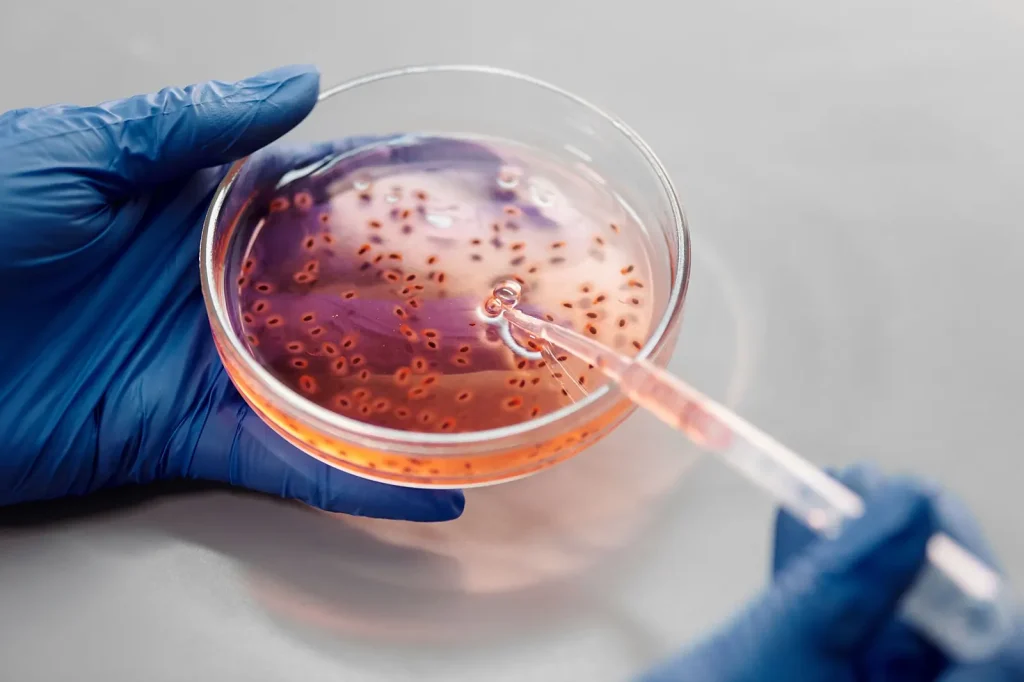
New EU regulations could make genetically modified crops more prevalent in the Netherlands by 2028.
In Lelystad, a city in the province of Flevoland, scientists are conducting significant trials on genetically modified potatoes. These trials aim to combat the notorious Phytophthora disease, a persistent threat to potato crops worldwide. The research in Lelystad represents a key step for the Netherlands, as the country prepares for upcoming changes in European Union regulations.
New EU Regulations and Impact
The European Union is considering new regulations that could ease the cultivation of genetically modified crops. The potential impact on Dutch agriculture is substantial. Farmers and scientists anticipate that these changes will simplify the process of introducing genetically modified foods, making them more common in the Netherlands and across Europe.
The modified potatoes in Lelystad are designed to resist Phytophthora, a disease that has historically devastated potato yields. By enhancing resistance, these crops promise to increase productivity and reduce reliance on chemical treatments. According to the Ministry of Agriculture, this development is crucial for ensuring food security in the region.
Scientific Advancements and Trials
The trials in Lelystad are part of a broader effort to explore the benefits of genetic modification in agriculture. Researchers are optimistic about the results, which could demonstrate the effectiveness of genetically modified potatoes in real-world conditions. The modifications aim to make the crops more resilient to diseases and environmental stresses, potentially transforming farming practices.
The trials are closely monitored by the Dutch Ministry of Agriculture, which sees this as a step towards modernizing the agricultural landscape.
The Netherlands, known for its innovative approaches in agriculture, is well-positioned to lead in the adoption of genetically modified crops. The country’s infrastructure and research capabilities make it an ideal location for such pioneering work.
Background and Future Prospects
The decision to ease regulations on genetically modified crops comes after extensive debates and studies on their safety and benefits. Proponents argue that these crops can help address food shortages and reduce environmental impacts by requiring fewer pesticides and fertilizers. Critics, however, remain concerned about potential ecological consequences and the ethical implications of genetic modification.
As the potential regulatory changes approach, the Netherlands will likely see increased collaboration between scientists, policymakers, and farmers to ensure a smooth transition. The focus will remain on balancing innovation with environmental stewardship and public health.
What Happens Next?
With the trials ongoing, the next steps involve rigorous evaluation of the modified potatoes’ performance. If successful, these trials could pave the way for broader acceptance and cultivation of genetically modified crops in Europe. The Dutch government is expected to support these initiatives through funding and policy adjustments to align with EU regulations.
the trials in Lelystad mark a significant milestone in Dutch agriculture. As the Netherlands prepares for a future with more genetically modified crops, the potential benefits for food security and sustainability become increasingly evident. The country’s proactive approach could serve as a model for other nations navigating similar challenges in agriculture.