Man arrested after bathroom waste dumped in Tilburg nature reserve
Illegal dumping Tilburg authorities are tackling head-on after a complete bathroom, including a toilet and tiles, was found abandoned in the Moerenburg nature reserve.

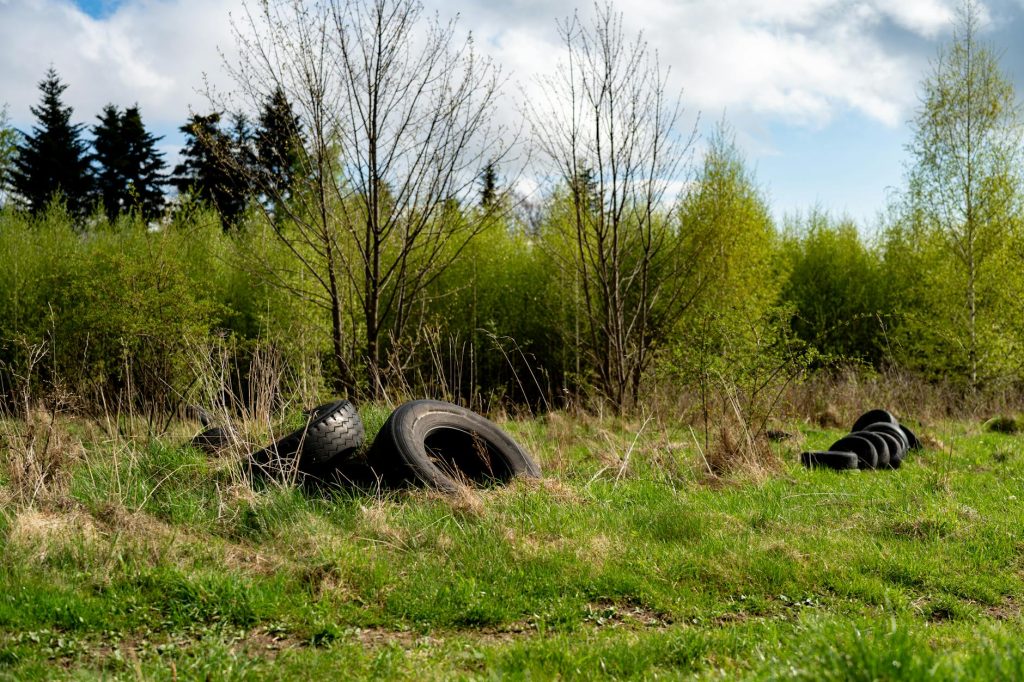
A 40-year-old from Drunen faces prosecution after a complete bathroom set was found discarded in the Moerenburg nature reserve near Tilburg.
Illegal dumping Tilburg enforcement took a decisive step forward this week after authorities apprehended a 40-year-old man from the nearby town of Drunen, suspected of discarding an entire bathroom set inside the Moerenburg nature reserve. The debris, which included ceramic tiles, a toilet, a sink, and various plumbing fixtures, was discovered close to the A65 highway, one of the main roads connecting Tilburg to ‘s-Hertogenbosch in the province of North Brabant.
The find prompted a wave of concerned calls from local residents and dog walkers who regularly use the nature reserve’s footpaths. Police confirmed that the volume of tip-offs was unusually high, suggesting the dumped material was both conspicuous and alarming to those who came across it. Officers moved swiftly, tracing the waste back to the suspect within days of the initial reports.
Illegal Dumping Tilburg: What Was Found and Where
Moerenburg is a protected peat-meadow landscape on the southern edge of Tilburg, valued for its biodiversity and open character. The reserve sits in a transitional zone between urban development and rural wetlands, making it particularly vulnerable to opportunistic fly-tipping. Construction rubble and household waste dumped in such environments can leach harmful substances, including heavy metals from old glazed tiles and chemical residues from pipe sealants, directly into the soil and groundwater.
The bathroom debris was found in a spot clearly visible from a public path, raising the question of whether the perpetrator simply relied on speed rather than concealment. Investigators believe the material was transported in a van or trailer and offloaded in a single visit, given the sheer volume of items involved. A complete bathroom renovation generates several hundred kilograms of waste, all of which is subject to strict disposal regulations under Dutch environmental law.
Under the Dutch national waste management framework, homeowners and contractors are legally obliged to deposit construction and demolition waste at certified recycling points or arrange collection through a licensed carrier. Bypassing these channels is not only an environmental offence but also a criminal matter that can result in significant fines or even imprisonment, depending on the scale of the dumping and any prior convictions.
The suspect, whose identity has not been publicly released pending formal charges, is believed to be connected to renovation work in the region. Investigators are examining whether the bathroom materials originated from a private home renovation or a contracted job, as commercial operators face harsher penalties for illegal waste disposal than private individuals.
A Pattern of Fly-Tipping Across North Brabant
This incident is far from isolated. Illegal dumping Tilburg and the wider North Brabant area has been a recurring problem for municipal and environmental authorities alike. Items ranging from old mattresses and household appliances to bags of garden waste and construction rubble are regularly found along forest tracks, on the verges of agricultural land, and, as this case illustrates, inside formally protected nature areas.
Local authorities have invested in surveillance cameras at known hotspot locations and introduced anonymous tip lines to encourage residents to report suspicious activity. Despite these measures, enforcement remains challenging. The sheer number of rural access points around nature reserves like Moerenburg makes comprehensive monitoring difficult without a substantially larger budget. According to Statistics Netherlands (CBS), millions of kilograms of illegally dumped waste are collected by Dutch municipalities each year, at considerable cost to taxpayers.
Environmental officials have long argued that punitive measures alone will not solve the problem. A parallel strategy focuses on making legal disposal easier and cheaper. Several North Brabant municipalities have extended the opening hours of recycling centres (milieustraten) and introduced free bulky-waste collection days precisely to remove the financial incentive for illegal dumping. Critics, however, point out that even where free disposal options exist, some people still choose to fly-tip out of convenience or indifference.
The arrest in the Moerenburg case is therefore seen as an important signal. Prosecution and, where applicable, public naming of offenders are considered strong deterrents. Environmental agencies are pushing for the suspect to face the full weight of the law, including an order to cover the clean-up costs, which, for a dumped bathroom, can easily run into thousands of euros when professional hazardous-material handling is required.
What Happens Next
The case will now move through the Dutch public prosecution service, the Openbaar Ministerie. If sufficient evidence is gathered, the suspect will be formally charged and summoned to appear before a court in North Brabant. A conviction for illegal waste dumping can carry fines of up to tens of thousands of euros and, in serious or repeat cases, a custodial sentence.
Meanwhile, municipal workers and volunteers from local nature conservation groups are expected to carry out a thorough clean-up of the affected area in Moerenburg. Beyond removing the visible debris, soil samples may be taken to assess whether any hazardous leaching has already occurred. If contamination is found, remediation work could extend the timeline and add further cost, all of which authorities intend to reclaim from the individual found responsible.
Residents with information about illegal dumping Tilburg incidents are encouraged to contact the local police non-emergency line or use the municipality’s online reporting portal. Officials stress that even partial information, such as a partial licence plate or a description of a vehicle, can prove decisive in identifying and prosecuting offenders before lasting environmental damage is done.