Maastricht hospital trial reveals 50% stress reduction
Maastricht UMC's trial lets patients stay home before surgery, showing stress reduction and improved hospital efficiency.

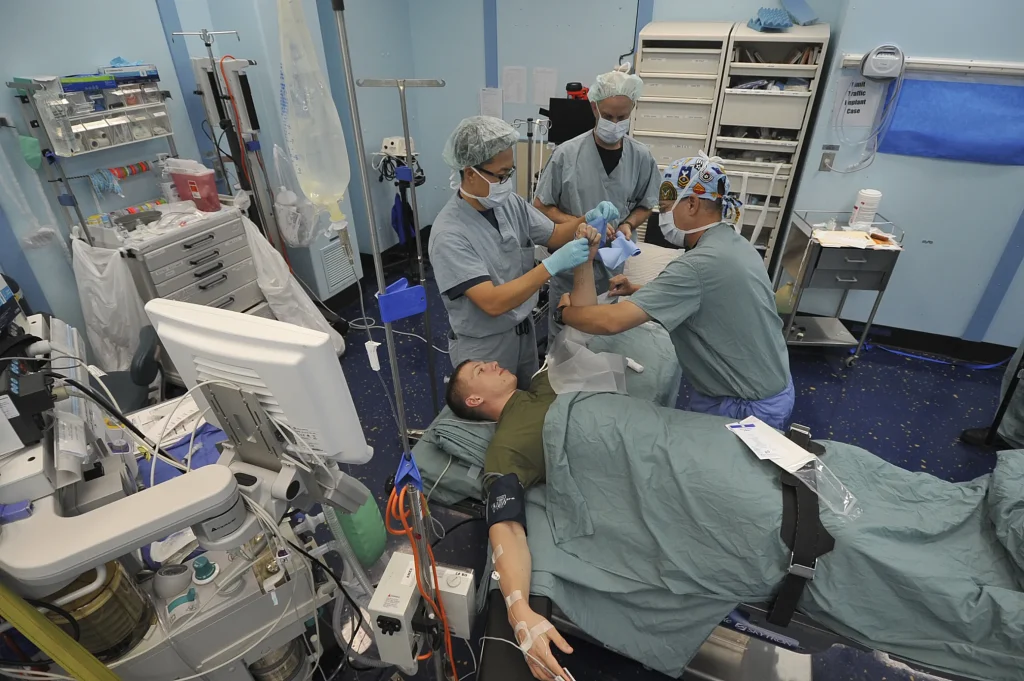
New surgery prep method at Maastricht UMC allows patients to stay home, reducing stress and optimizing resources.
Maastricht University Medical Center (UMC) is pioneering a new approach to surgical preparation with its ‘Lopend naar de OK’ trial. This initiative allows patients to spend the night before surgery at home, rather than in the hospital. The Maastricht hospital trial is showing promising results, with patients reporting significant stress reduction.
How the Maastricht Hospital Trial Works
The trial currently focuses on patients undergoing bowel cancer surgeries. Traditionally, patients are admitted to the hospital the night before their operation. This can increase anxiety and stress levels. By contrast, the trial lets patients stay in their familiar home environment, arriving at the hospital on the morning of the surgery.
Initial results are encouraging. According to feedback, patients feel more relaxed and ready for their procedures. The familiar surroundings and comfort of home contribute significantly to this improvement.
Impact and Future of the Trial
The Maastricht hospital trial not only aims to reduce patient stress but also optimizes hospital resources. By eliminating the need for an overnight stay, hospitals can allocate beds more efficiently. This is particularly important in the context of increasing healthcare demands.
If successful, this approach could be expanded to other types of surgeries. The trial’s early success suggests a potential revolution in surgical preparation. Hospitals across the Netherlands and possibly beyond could adopt this method.
Maastricht UMC is closely monitoring the trial’s outcomes. The hospital aims to refine the process and ensure it meets the highest standards of care. Future adaptations may include enhancements tailored to different types of surgeries.
Benefits for Patients and Hospitals
Patient experience is at the heart of this trial. Reduced stress levels can lead to better surgical outcomes and faster recovery times. Patients who are less anxious may experience fewer complications and shorter hospital stays post-surgery.
For hospitals, this method offers a way to manage resources more effectively. By reducing the need for overnight admissions, hospitals can focus on critical care and emergency needs. This efficiency can lead to cost savings and improved patient care overall.
Moreover, the trial aligns with broader healthcare goals. It emphasizes patient-centered care and resource optimization. Such innovations are crucial as healthcare systems face growing pressures.
Maastricht UMC’s initiative is part of a larger trend towards personalized and efficient healthcare. The focus is shifting towards methods that enhance patient comfort while maintaining high standards of medical care.
As the trial progresses, Maastricht UMC plans to publish detailed findings. These will provide insights into the effectiveness and potential scalability of the approach. The hospital hopes to set a precedent for others to follow.
For more information on the trial, visit the Maastricht University Medical Center website. Additionally, updates on healthcare innovations can be found on Rijksoverheid.