PFAS in Friesland waters prompts call for national ban
PFAS contamination in Friesland's waters surpasses safe levels, prompting Wetterskip Fryslân to demand a national ban.

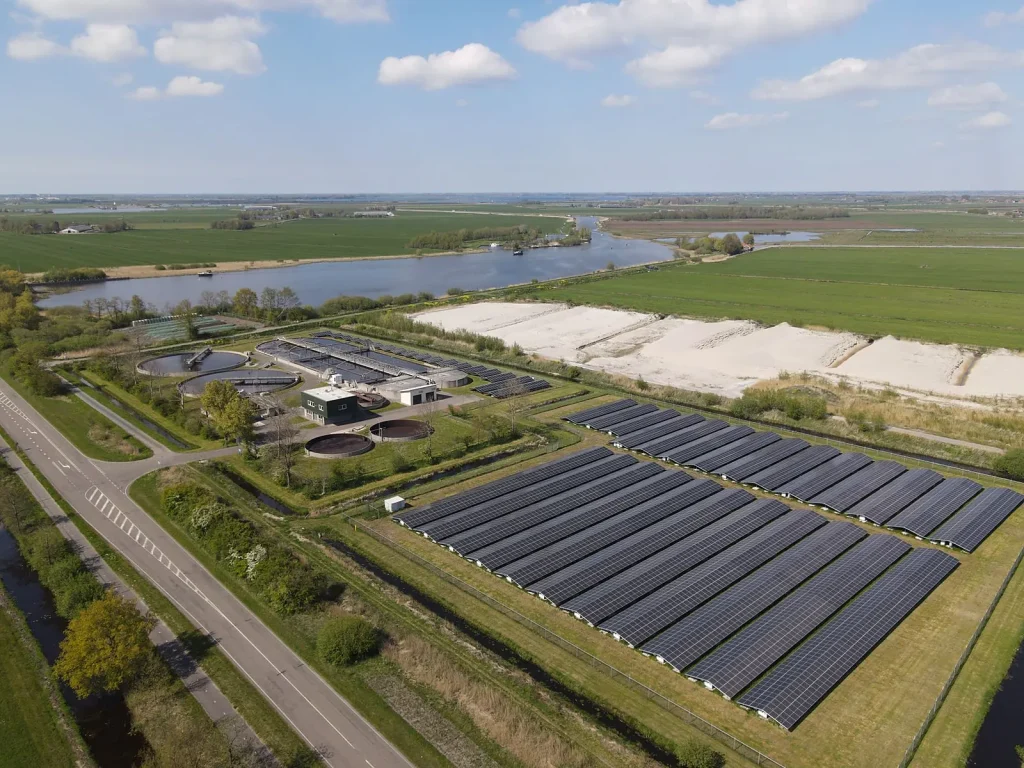
Wetterskip Fryslân urges national action as PFAS contamination exceeds safety norms in Friesland.
Friesland, a northern province in the Netherlands, is facing a significant environmental challenge as PFAS chemicals have been detected in its water bodies. The regional water authority, Wetterskip Fryslân, is sounding the alarm and calling for a nationwide ban on these persistent pollutants.
PFAS, or per- and polyfluoroalkyl substances, are known for their durability and resistance to breaking down in the environment. Recent tests have shown that PFAS concentrations in Friesland’s waterways exceed the surface water norms. This situation presents a serious risk to both public health and the ecological balance in the region.
Call for Immediate Action
Wetterskip Fryslân, the agency responsible for water management in Friesland, has taken a firm stance. They are urging the Dutch government to implement stronger regulations to address the PFAS issue. “The contamination levels are alarming and require immediate attention,” said a spokesperson for Wetterskip Fryslân.
The presence of PFAS in large water bodies and smaller ditches alike shows the widespread nature of the problem. The chemicals have been linked to adverse health effects, including impacts on the immune system and fertility. Despite previous mitigation efforts, the persistence of PFAS in the environment remains a pressing concern.
Background and Broader Implications
The issue of PFAS contamination is not new to the Netherlands. Earlier reports highlighted severe contamination near military bases, prompting initial regulatory actions. However, the continued detection of these substances in Friesland illustrates the need for a more comprehensive approach.
The Dutch government has been aware of PFAS-related challenges for some time. Yet, the recent findings in Friesland highlight gaps in current measures. Wetterskip Fryslân’s call for a national ban is a response to these ongoing challenges, aiming to prevent further environmental damage and protect public health.
PFAS are often used in industrial applications and consumer products, which makes them difficult to eliminate completely. This complexity demands coordinated efforts across multiple sectors, including government, industry, and environmental groups.
What Happens Next?
The call for a national ban by Wetterskip Fryslân is expected to put pressure on policymakers. The agency hopes to see swift action that includes not only stricter regulations but also increased monitoring and research into alternative substances.
Experts emphasize the importance of public awareness and education about PFAS. Understanding the sources and risks associated with these chemicals is crucial for effective intervention. Additionally, collaboration with international partners could provide insights into best practices for managing PFAS contamination.
As Friesland grapples with this environmental threat, the response from the Dutch government will be closely watched. The situation serves as a reminder of the challenges posed by persistent pollutants and the need for proactive measures to safeguard natural resources and public health.
For more information on PFAS and environmental standards in the Netherlands, visit the official rijksoverheid page. Additionally, updates from Wetterskip Fryslân can provide further insights into regional water management efforts.