Solar panel recycling innovation boosts sustainability efforts
Solar panel recycling using laser technology could transform renewable energy by reducing waste and reusing silicon and silver.

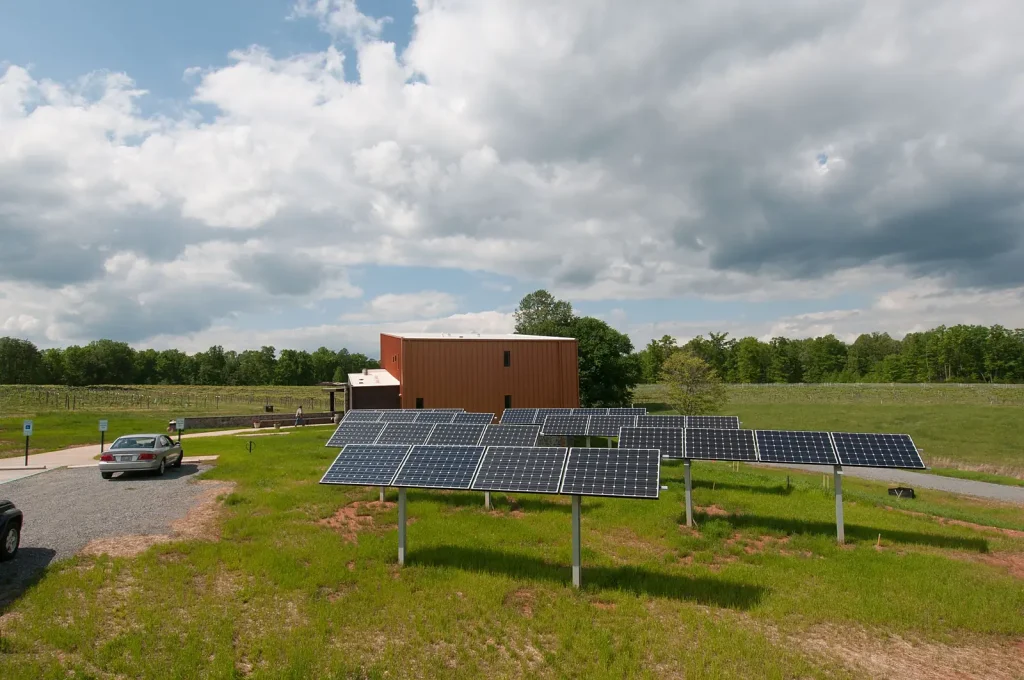
European researchers develop laser tech to recycle solar panels, reducing waste and reusing materials like silicon and silver.
Solar panel recycling is taking a leap forward as European researchers, including those at the Netherlands Organisation for Applied Scientific Research (TNO), develop laser technology aimed at making solar panels reusable. This innovation promises to address the growing volume of discarded panels by recovering valuable materials like silicon and silver.
Revolutionizing Solar Panel Recycling
With millions of solar panels approaching the end of their lifecycle, effective recycling solutions are becoming increasingly necessary. Traditional recycling methods often involve resource-intensive processes that can be costly and environmentally damaging. The new laser technology offers an alternative by efficiently extracting materials from old panels, making them available for reuse in new technologies.
Silicon and silver are critical components of solar panels. Their recovery not only helps reduce the need for raw material extraction but also supports the sustainability of solar energy systems. This method could transform how we handle decommissioned solar panels, ensuring a more sustainable approach to renewable energy technology.
Impact on Waste Management and Sustainability
The Netherlands, along with other European countries, faces a surge in solar panel waste as installations from the early 2000s reach the end of their operational life. The laser recycling technique could significantly mitigate these impending waste management issues. By reducing the environmental impact associated with traditional recycling methods, this innovation presents a sustainable solution.
Moreover, the technology’s ability to recover and reuse valuable materials could lead to cost savings in the production of new panels. This could make solar energy more economically viable and appealing as a renewable energy source.
In addition, this approach aligns with broader European goals for sustainable resource use and waste reduction. The European Union has been actively promoting research and innovation to enhance the sustainability of renewable energy technologies.
For more information on the impact of solar energy in the Netherlands, visit the Dutch government’s sustainable energy page. To learn about the latest recycling technologies, check out TNO’s official site.
Background
The solar energy sector has seen rapid growth over the past decades, with installations worldwide contributing significantly to renewable energy supplies. However, this growth has brought challenges, especially in managing the waste from decommissioned panels. The innovative laser technology developed by European researchers aims to tackle these challenges by providing a more efficient and environmentally friendly recycling process.
What Happens Next?
As the laser recycling technology advances, its integration into current waste management systems could be a game-changer. Researchers continue to refine the process, aiming for widespread adoption across Europe. The potential for this technology to revolutionize solar panel recycling could lead to broader applications in other industries, promoting a circular economy.
The success of this initiative could inspire similar innovations worldwide, further enhancing the sustainability of renewable energy technologies. As countries strive to meet climate goals, innovations like this are crucial in ensuring a greener future.