Terneuzen asylum permit approved for centre for up to 200
The Terneuzen asylum permit allows a reception centre for up to 200 people in a former office building. A revised proposal puts greater emphasis on families.

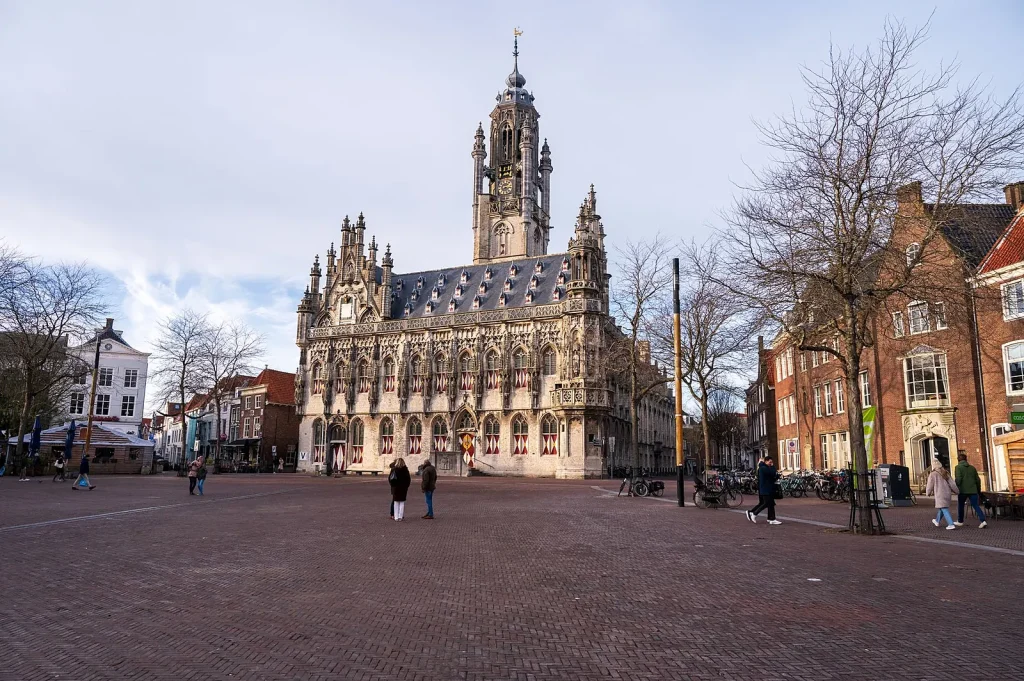
A narrow council vote clears a local hurdle for the reception centre after an earlier dispute led the former mayor to resign.
The Terneuzen asylum permit has won council approval in Terneuzen, a municipality in the southwestern Netherlands. The decision allows a reception project for up to 200 people to proceed. However, the report gives no opening date for the centre.
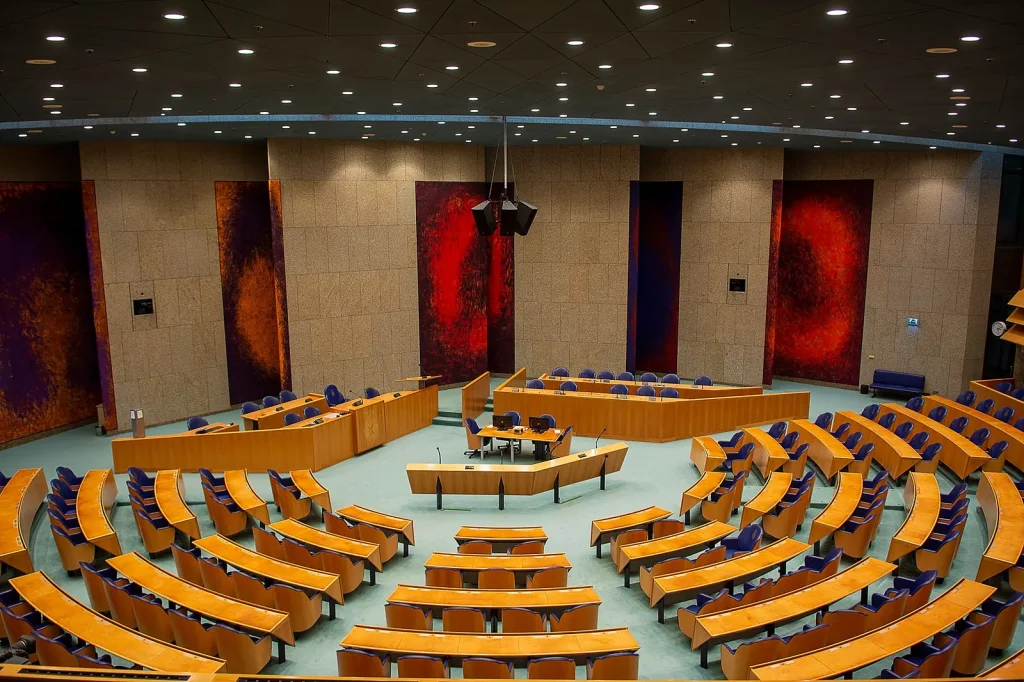
Council members approved the permit by 16 votes to 14 late the previous evening, after hours of debate. The centre will occupy a former office building. Its maximum capacity is 200 people, rather than a target that operators can exceed.
The decision appears in coverage by NOS, the Dutch public broadcaster. It follows an earlier dispute that prompted former mayor Erik van Merrienboer to resign. Since then, a new municipal executive has revised the proposal.
A revised plan with greater emphasis on families
The municipal executive took office in July and changed the reception proposal. In particular, it placed greater emphasis on accommodating families to improve social safety. The council has now backed the revised plan, although the vote shows a narrow majority.
COA, the Dutch asylum reception agency, can now develop the centre in the former office building. However, approval does not mean that residents will arrive immediately. The report gives no timetable for preparing the building or starting reception.
The family emphasis also does not establish an exact breakdown of future residents. The supplied account gives no number of families or children. Nor does it say that the centre will admit families only.
For now, the clearest limit concerns the total number of people. The permit allows no more than 200 residents at the centre. Readers should therefore distinguish that firm capacity limit from the broader emphasis on families.
No-confidence motion fails after the permit vote
After the council approved the permit, PVV, a Dutch right-wing political party, proposed a no-confidence motion against all municipal aldermen. The motion failed, with 18 councillors voting against it and 12 in favour.
Meanwhile, mayor Weerwind criticised the move. NOS, citing regional broadcaster Omroep Zeeland, reported that he told the council:
“Er komen moeilijke dossiers en ook dan moeten we onze verantwoordelijkheid nemen.”
The two votes addressed different questions. The first approved the reception permit, while the second tested support for the municipal executive. As a result, the failed motion did not reverse the permit decision.
The earlier dispute had already carried a political cost. Van Merrienboer resigned after the previous council opposed the plan. The approval therefore marks a change in the project’s local political position, rather than its opening.
What this means for people living in the Netherlands
The immediate local impact concerns people living near the proposed centre and those who may eventually stay there. However, the report does not identify an opening date. It also gives no confirmed schedule for building work or arrivals.
What happens next
The permit clears a local approval hurdle for COA. Next, practical information will matter most to neighbours and future residents. That includes when the building will be ready and how the centre will operate.
However, the available account does not set out those details. It gives no opening date, staffing plan or schedule for further public updates. Those gaps should not be read as proof of a delay.
For now, the confirmed outcome is limited but clear. The council has approved reception for a maximum of 200 people in a former office building. Meanwhile, the separate no-confidence motion against the municipal aldermen failed.