Venezuelan leader challenges ICC authority
Venezuelan interim-President Delcy Rodríguez challenges ICC authority over the Essequibo border dispute, highlighting tensions involving the Netherlands.

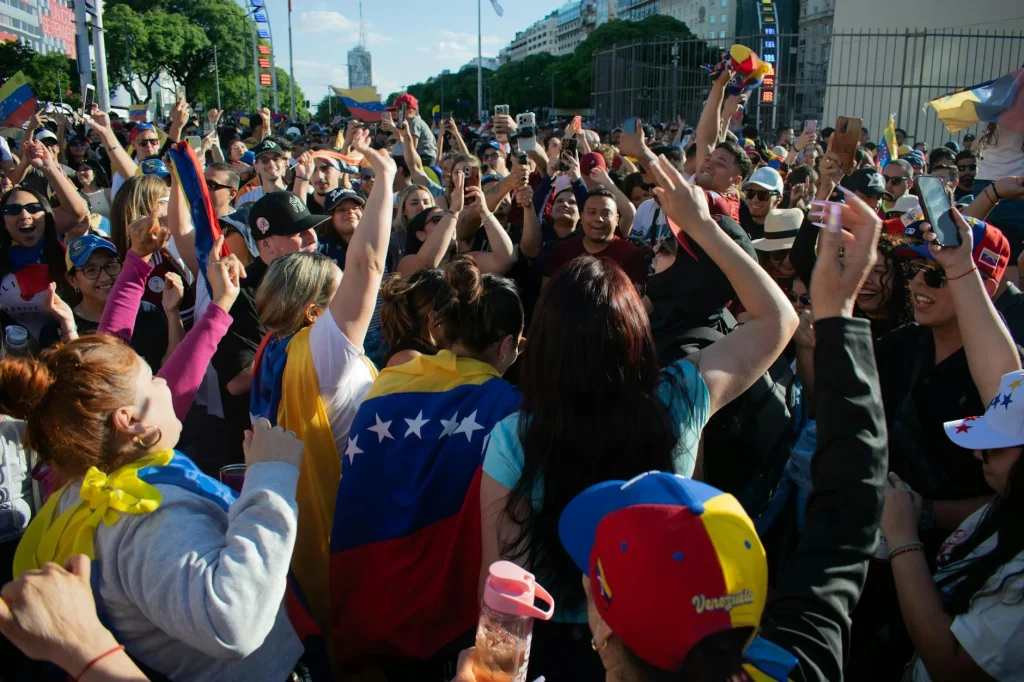
Delcy Rodríguez rejects ICJ’s role in the Venezuela-Guyana border dispute, spotlighting The Hague’s role in global diplomacy.
Venezuelan interim-President Delcy Rodríguez has challenged the authority of the International Court of Justice (ICJ) in a significant development that underscores ongoing international tensions. During a session at the ICJ in The Hague, Rodríguez declared that Venezuela does not recognize the court’s jurisdiction regarding the border dispute with Guyana. This statement places the Netherlands, as host to the ICJ, at the heart of this international diplomatic issue.
The conflict centers on the Essequibo region, a resource-rich area that has been historically contested by Venezuela and Guyana. The discovery of oil in the region has intensified the dispute, making it a focal point for both nations. Rodríguez’s appearance at the ICJ marks her first international trip since assuming the presidency, further emphasizing the gravity of the situation.
Venezuelan Leader’s First International Trip
Delcy Rodríguez’s visit to The Hague is her first trip outside South America since taking over as interim president. Her leadership began after the ousting of Nicolás Maduro. This move to address the ICJ directly highlights her administration’s stance on the boundary issue. By questioning the court’s jurisdiction, Rodríguez seeks to assert Venezuela’s position on the international stage.
The Essequibo region has long been a point of contention between Venezuela and Guyana. Historical claims and recent oil discoveries have only heightened the stakes. The ICJ’s involvement aims to mediate and resolve such disputes, bringing international law to bear on regional conflicts.
The Role of the ICJ and the Netherlands
The ICJ, located in The Hague, is tasked with resolving international disputes and promoting peace. The Netherlands, as its host, plays a crucial role in facilitating these diplomatic processes. This latest challenge by Rodríguez brings renewed attention to the court’s function and the Netherlands’ place in international diplomacy.
Rodríguez’s declaration that Venezuela does not recognize the ICJ’s authority could complicate proceedings. However, it also underscores the importance of international institutions in maintaining global order. The Netherlands, through its support of the ICJ, continues to be a pivotal player in these efforts.
Meanwhile, Guyana maintains its stance, welcoming the ICJ’s involvement as a means to peacefully resolve the dispute. The Essequibo region’s potential wealth from oil and other resources makes the resolution of this conflict even more critical.
Background on the Dispute
The border dispute between Venezuela and Guyana dates back to colonial times. The Essequibo region, rich in natural resources, is claimed by both nations. Recent oil discoveries have added a new dimension to the conflict, attracting global attention.
The ICJ’s role is to provide legal clarity and facilitate a peaceful resolution. However, Venezuela’s rejection of the court’s authority complicates this mission. The involvement of international bodies like the ICJ highlights the complexity and importance of diplomatic solutions in such disputes.
What Happens Next?
Rodríguez’s challenge to the ICJ’s jurisdiction sets the stage for further diplomatic negotiations. Both Venezuela and Guyana must navigate this intricate legal landscape to find a mutually agreeable solution. The Netherlands, as host to these proceedings, remains central to facilitating dialogue and resolution.
The international community will closely watch how this situation unfolds. The Essequibo dispute is not just a regional issue but a test of international law and diplomacy. The ICJ’s ability to mediate and guide these discussions will be crucial in determining the outcome.
As tensions continue, the Netherlands’ role in supporting the ICJ and promoting peaceful resolutions remains vital. The global spotlight on The Hague emphasizes the importance of international cooperation in addressing complex geopolitical issues.