Medical Drones Achieve 92% Success in Dutch Blood Deliveries
Medical drones in the Netherlands have successfully delivered blood samples between hospitals, marking a significant advancement in healthcare logistics.

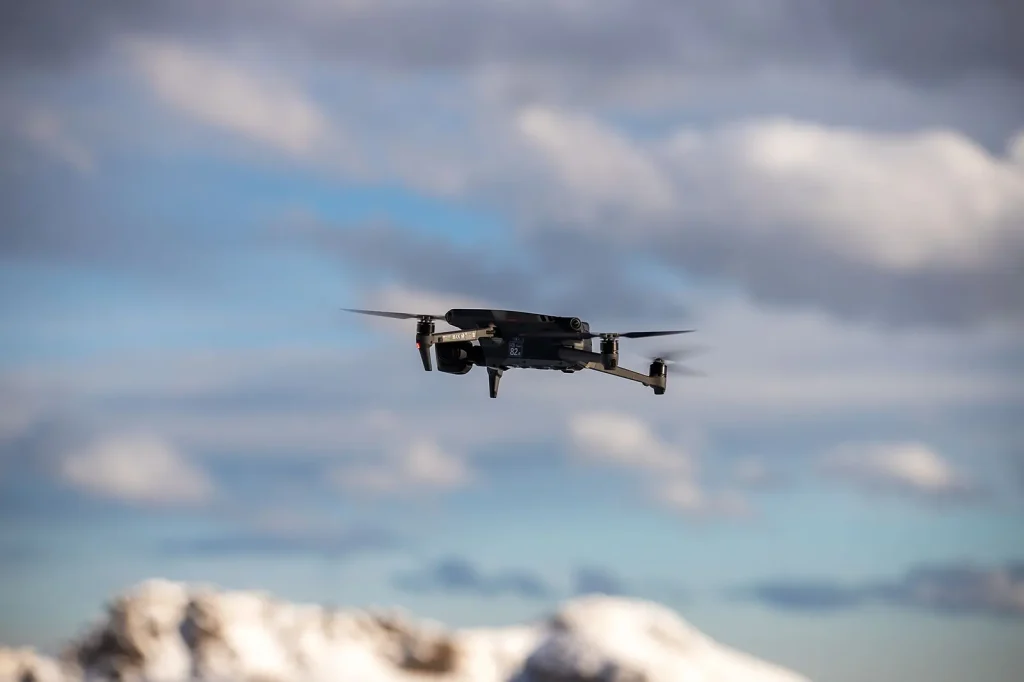
Medical drones have achieved a 92% success rate in delivering blood samples between hospitals in the Netherlands.
Medical drones have marked a significant advancement in healthcare logistics in the Netherlands by successfully delivering blood samples. The trial, conducted over the past year, involved flights between Isala hospitals in Zwolle and Meppel. This initiative could reshape the transport of medical supplies, offering faster and more efficient delivery.
Successful Drone Trials
The drones have completed over 800 flights, transporting blood samples with remarkable efficiency. This project, focusing on the Zwolle to Meppel route, has demonstrated the potential for drones to enhance healthcare logistics. The use of drones significantly reduces delivery times compared to traditional road transport, potentially saving lives in critical situations.
Isala hospitals in Zwolle and Meppel, located in the Overijssel province, have been at the forefront of this innovative project. The trial’s success has prompted researchers to explore expanding the drone’s cargo to include a wider variety of medical supplies. The project’s operational success reflects its reliability and the potential for broader application.
Challenges and Future Prospects
Despite the promising results, challenges remain. Adverse weather conditions, such as high winds, can impede drone operations. However, researchers are optimistic about overcoming these hurdles. The trial’s success suggests that drones could play a crucial role in the future of healthcare transport.
Plans are underway to extend the trial to other regions and incorporate a broader range of medical items. The potential for faster, more efficient delivery systems could have wide-reaching implications for healthcare logistics, not only in the Netherlands but globally.
The Dutch government and healthcare institutions are closely monitoring the progress of this project. If successful, it could set a precedent for the use of drones in healthcare worldwide. The ability to deliver medical supplies quickly and efficiently could transform emergency response and routine medical logistics.
This innovation aligns with the broader trend of integrating technology into healthcare to improve patient outcomes and system efficiency. As the trial continues, stakeholders remain hopeful for further advancements and improvements in the field.
The use of medical drones represents a significant step forward in healthcare logistics. The trial’s success in the Netherlands serves as a model for other countries considering similar initiatives. With ongoing research and development, the future of medical transport looks promising.